
Inside BENEO’s new pulse plant: pioneering sustainable protein from faba beans
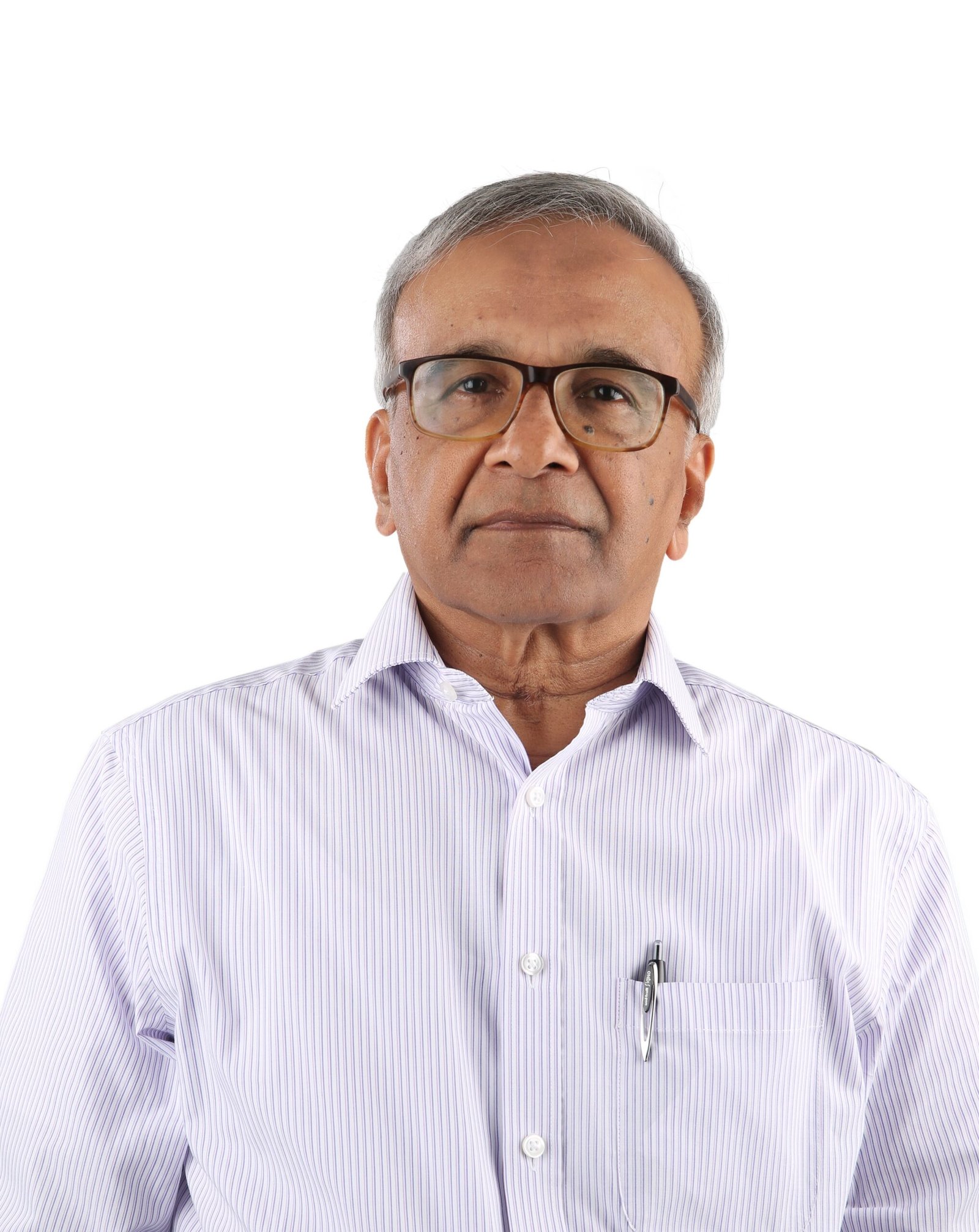
Ramkumar Menon, Chairman, World Spice Organisation (WSO)
India is at a pivotal juncture in its spice journey. While the country remains the world’s largest producer and exporter of spices, global markets are demanding far higher benchmarks in food safety, sustainability, and full-chain traceability. In this exclusive interview, Ramkumar Menon, Chairman of the World Spice Organisation (WSO), discusses how the industry is responding to tightening international regulations, the urgent need for farm-level transformation, and the shift from volume leadership to value leadership. From digital traceability and climate resilience to responsible sourcing and AgriTech adoption, Menon outlines the strategic priorities that will define India’s spice future over the next 18–24 months. Edited excerpts:
The Indian spice value chain has seen increasing scrutiny around food safety and traceability in global markets. How is the industry responding to rising international standards, especially regarding contaminants, pesticide limits, and microbial safety?
Indian spice exporters are navigating a more challenging regulatory landscape, with global buyers demanding ever-stricter controls on residues, microbial contamination, and other contaminants. The industry is stepping up on multiple fronts. First, there is greater alignment with regulatory bodies: for example, the FSSAI is revising its framework for Maximum Residue Levels (MRLs) for spices, increasing the number of MRLs from around 11 to well over a hundred. This will strengthen our ability to comply with global norms, reduce the risk of rejections and also enable us to resolve disputes in an effective manner
At the same time, the industry is investing in better infrastructure enhanced testing labs, steam sterilisation, and microbial-reduction technologies and building capacity at the farm level. WSO’s National Sustainable Spice Programme (NSSP) and other farmer training platforms are critical: they help farmers adopt safer pesticide practices, improve drying and hygiene, and reduce the likelihood of contamination before the produce even reaches the factory.
As Chairman of the World Spice Organisation, you’ve consistently emphasised farm-level interventions. What progress has been made in building farmer awareness and adoption of Good Agricultural Practices (GAPs), and where do the gaps remain?
Our focus on farm-level quality has never been stronger. Through the National Sustainable Spice Programme and collaborations with FPOs (Farmer Producer Organisations), we’ve conducted widespread training for farmers in Good Agricultural Practices, IPM (Integrated Pest Management), and post-harvest discipline. We are now seeing more farmers follow protocols that reduce residue risk, adhere to pre-harvest intervals, and improve hygiene during drying, which directly impacts the saleability of their produce.
Still, the challenge is scale and fragmentation. Many spice farmers are smallholders with limited access to new technologies, digital tools, or consistent inputs. There’s variability across clusters in how deeply GAP is embedded. To close the gap, we need more institutional support: stronger FPOs, better access to cost-effective residue-free agrochemicals, and sustained market incentives for quality-compliant produce.
With exports crossing new benchmarks, India is positioned as both the world’s largest producer and exporter of spices. What strategic steps are needed now to also become the global leader in quality and consistency?
Having volume leadership is just part of the story; the next frontier is value leadership. India must double down on processing infrastructure, quality labs, and sterilisation capacity. But equally important is consolidating our raw-material quality base: identifying regions as “quality belts” for pepper, turmeric, cumin, etc., and ensuring standardised farm practices, harvesting windows, and drying protocols across these belts.
Moreover, public–private partnerships are key. WSO is working closely with the Spices Board, FSSAI, and state governments to harmonise quality standards and scale interventions. Through these collaborations, we can institutionalise food-safety-first approaches and make compliance not just an export liability but a source of competitive advantage.
Global buyers increasingly demand full supply-chain transparency. How are Indian spice processors adopting digital traceability, blockchain/QR systems, and AI-based monitoring, and what challenges exist in scaling them?
Traceability is no longer optional: it’s becoming a baseline expectation for global buyers. We’re seeing pilot projects across clusters that use QR codes, blockchain platforms, and digital ledgers to track produce from farm to fork. These systems provide proof points that spices were grown, cleaned, stored, and shipped in compliance with global norms.
However, scaling is not easy. Many small farmers still rely on manual record-keeping and lack access to smartphones or reliable connectivity. Interoperability is another issue: traceability systems need to talk to each other, and often they don’t. Also, the cost of deploying AI-based inspection or monitoring tools can be prohibitive for smaller processors. Overcoming this will require investment, capacity-building, and possibly co-financing models so that tracing technology becomes accessible at the grassroots.
Climate variability is impacting spice yield, essential oil concentration, and sensory profiles. What adaptive cultivation strategies or plant breeding efforts do you see emerging to sustain quality and volume?
Climate risk is very real in our sector. Spices like pepper, cardamom, turmeric, and chilli are sensitive to rainfall patterns, temperature shifts, and prolonged droughts — all of which affect yield, quality, and the essential oil profile. The industry is responding by encouraging climate-resilient practices: micro-irrigation, mulching, rainwater harvesting, and shade management for sensitive crops. Farmers are also increasingly using weather advisory services, which help them plan irrigation, fertiliser application, and harvesting more intelligently.
On the breeding front, research institutions are working on cultivars that are more resilient to stress, have stable essential-oil content, and resist common pests.
Sustainability is becoming a non-negotiable requirement for international procurement. What does responsible sourcing look like for India’s spice industry, and how can smallholder farmers be supported in transitioning to sustainable practices?
In the international marketplace, “sustainable” means more than just environmental credentials: it encompasses food safety, traceability, fair incomes, and resilience. Responsible sourcing, in our context, means adopting GAP, reducing high-risk pesticide usage, protecting soil health, and ensuring that farmers are paid an equitable and fair price for quality compliant produce.
To make this feasible for smallholders, WSO is promoting FPO-led aggregation, where groups of farmers can access inputs, training, and quality-linked markets more easily. We also advocate for policy support financial incentives, capacity building, and market linkages that reduces the risk for farmers transitioning to cleaner practices.
AgriTech companies are introducing IoT-based drying systems, micro-weather advisory platforms, and contamination sensors. To what extent is the spice sector open to integrating such innovations at scale? What is still holding back faster adoption?
There is growing curiosity and openness to AgriTech. IoT-based dryers that monitor moisture in real time, sensors that flag microbial risk, and micro-weather platforms are being piloted across spice clusters. These technologies can directly reduce quality loss, rejections, and post-harvest risk.
But the barriers are significant: affordability, knowledge, and trust. Many small farmers are unsure about the return on investment. There’s also limited local customisation; most tools are designed for broad agriculture, not spice-specific workflows. To accelerate adoption, we need demonstration projects, financing models (maybe PPPs), and clear ROI case studies that show how tech improves yield, quality, and ultimately profitability.
Spice adulteration incidents continue to make headlines, affecting consumer trust. How can the industry collectively strengthen detection, enforcement, and standardised testing infrastructure across states?
Adulteration undermines the credibility of the entire Indian spice ecosystem. To address this, we must standardise testing protocols, expand accredited lab capacity, and ensure state-level enforcement is robust. WSO is pushing for stronger collaboration between exporters, regulators such as FSSAI and the Spices Board, and farmer groups to create a unified framework.
Additionally, we must build deterrents: consistent penal action on unethical players, and greater awareness across the chain.
Many see 2025–2026 as a pivotal period for India’s spice industry, particularly with tightening global import norms. What do you foresee as the defining industry priorities over the next 18–24 months?
The next 18–24 months will be a defining phase for the Indian spice sector as global markets tighten residue and food-safety norms. Our immediate priority is to align fully with these requirements through a stronger regulatory framework especially the expanded MRL list being finalised by FSSAI which will significantly reduce the risk of export rejections. At the same time, industry must accelerate adoption of digital traceability across major spice clusters so buyers have complete visibility from farm to container. Upgrading processing and sterilisation infrastructure will also be critical as superior microbial control becomes a competitive differentiator. Climate resilience will need sustained attention, particularly in crops like pepper, cumin, cardamom and chilli that are already experiencing erratic weather effects. Finally, the sector must deepen its focus on value addition; although India has made progress, we need greater investment in oleoresins, extracts, seasoning blends and natural flavour solutions if we are to meet our long-term export targets and maintain leadership in a rapidly evolving global market.
Looking ahead, can India evolve from being primarily an exporter of raw or minimally processed spices to becoming a leader in higher-value spice extracts, oleoresins, and flavour solutions? What strategic capabilities or investments are required to make this shift?
As global consumer demand rises for clean-label ingredients, natural extracts, flavoring agents, and specialty oleoresins, India is well-placed to seize this opportunity. But to do so, we need targeted investments: in advanced extraction technology, sensory science labs, application R&D, and talent development in flavour chemistry.
At the same time, policy support is critical. For example, allowing easier import of key ingredients needed for seasoning or nutraceutical products can help.
Mansi Jamsudkar Padvekar