
Inside BENEO’s new pulse plant: pioneering sustainable protein from faba beans
Flags high non-compliance of labelling in everyday staples, raising concerns over consumer trust and regulatory compliance
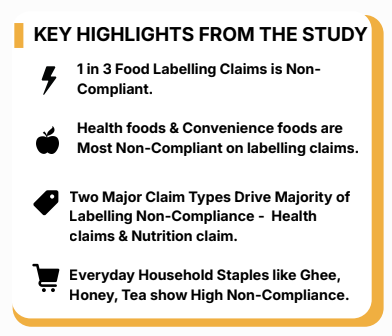
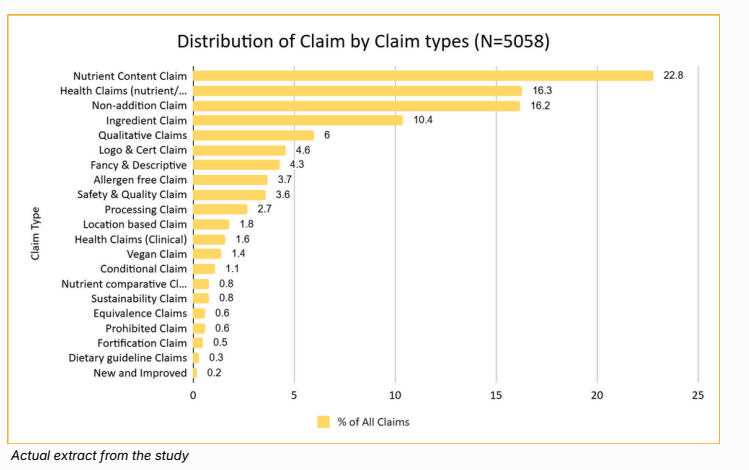
LabelBlind Solutions, an AI-led digital food labelling SaaS platform, has released findings from one of the most comprehensive independent evaluations of food labelling claims in India. The LabelBlind Study of Labelling Claims in India’s Packaged Food Industry 2025–26 reveals that 33.6 per cent of the 5,058 labelling claims analysed were either non-compliant (21.3 per cent) or lacked adequate substantiation requiring brand verification (12.3 per cent), falling short of regulatory compliances under FSSAI regulations, ASCI guidelines, and key parameters of Consumer Protection Act, 2019.
The study covered 18 widely consumed food categories, ranging from staples such as edible oils, ghee and honey to new-aged categories like plant-based beverages, ready-to-eat meals and also packaged snacks.
The findings point to everyday household staples as the most affected categories, with the study revealing that 80 per cent of health claims on honey, 65.5 per cent on ghee, 54.3 per cent on tea and herbal infusions, and 52.9 per cent on edible oils failed labelling compliance checks. The analysis also found that newer new-aged and innovation-led categories are non-compliant on labels, as 29 per cent of claims on plant-based beverages, 28.6 per cent on ready-to-eat meals, and 27.3 per cent on packaged snacks were flagged as non-compliant, suggesting that faster product innovation may be outpacing compliance rigour.
Dr Rashida Vapiwala, Founder and CEO, LabelBlind, said, “FAO recognises food labelling as a critical tool for protecting consumer health by enabling informed choices around food safety and nutrition. However, our study shows that over one-third of labelling claims in India’s packaged food market either fail compliance checks or lack adequate substantiation. As global trade expands and consumers move further away from direct producer relationships, food labels have become one of the most important and immediate points of communication with the consumer. This makes clarity, accuracy, and credibility on labels not just a regulatory requirement, but a public health imperative.”
The study’s conclusions echo broader regulatory trends. ASCI’s Half-Yearly Complaints Report (April–September 2025) identified the Food & Beverage sector among the top five violators, with a majority of cases linked to health and nutrition claims, reinforcing the need for tighter oversight.
LabelBlind has called on the packaged food industry to strengthen claim governance by exercising greater discipline in the use of health and nutrition claims, particularly for everyday food products, and by embedding labelling compliance earlier in product development stage. The company also emphasised on the need for digitization for stronger internal checks as regulatory scrutiny intensifies and consumer awareness around misleading claims continues to rise.