
Inside BENEO’s new pulse plant: pioneering sustainable protein from faba beans
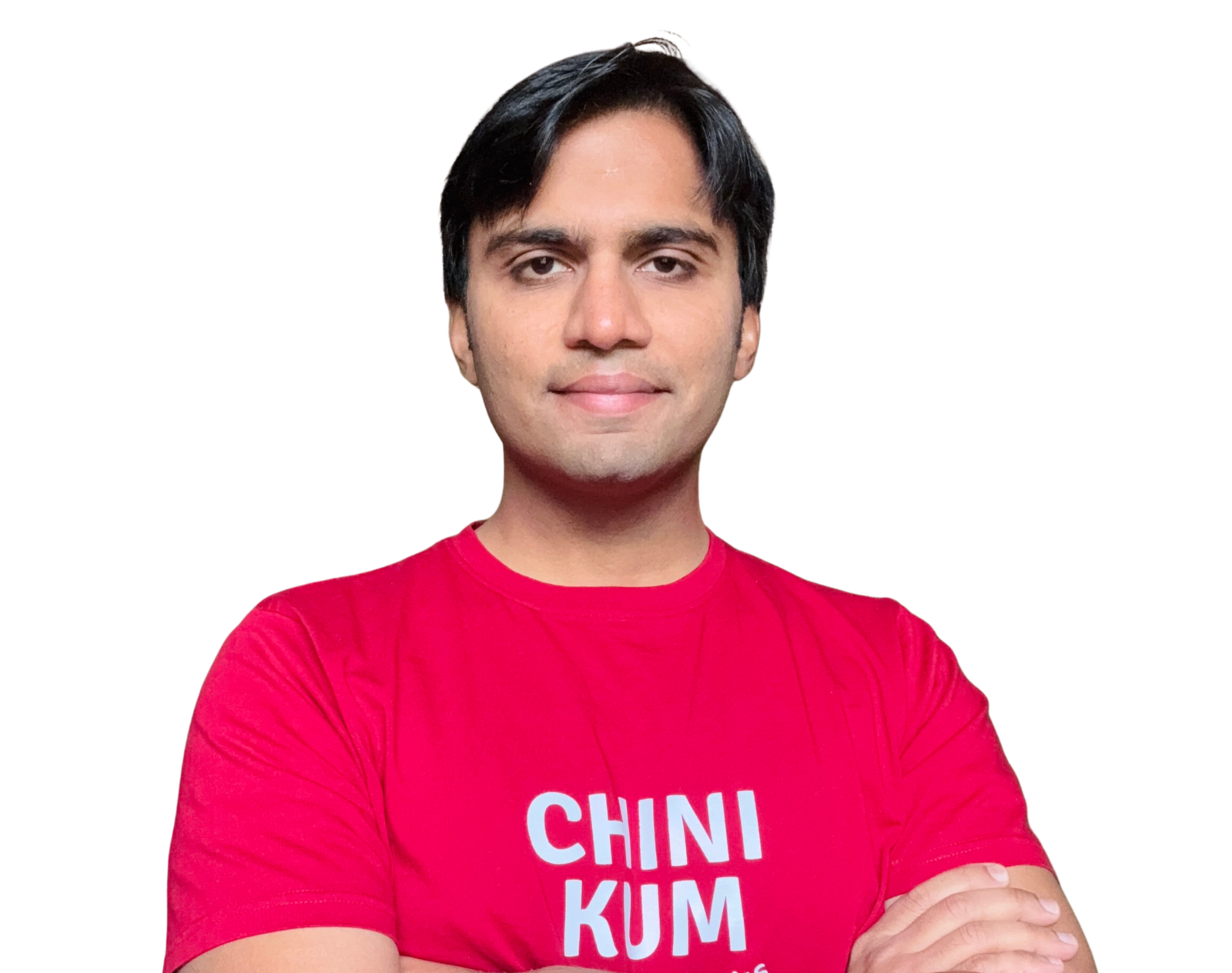
Priyank Jain, Founder of CHINI KUM™
India’s beverage market is witnessing a clear shift toward low-sugar, functional, and clean-label alternatives, driven by rising health awareness and increasing label literacy among consumers. Startups are now challenging traditional beverage formulations by combining natural sweeteners, functional ingredients, and accessible pricing. In this interview with Priyank Jain, Founder of CHINI KUM, NUFFOODS Spectrum explores how the brand is positioning itself in the zero-sugar beverage segment, its approach to natural sweeteners like stevia and monk fruit, the role of prebiotics in future beverage innovation, and how quick-commerce and affordable pricing are shaping market entry strategies in India’s evolving functional beverage landscape. Edited excerpts:
India already has multiple low-sugar and diet beverage options. What specific gap in the Indian beverage market did CHINI KUM™ identify before entering this space?
Most beverages in India are either packed with sugar or artificially sweetened “diet” options that cost too much. Between these two extremes, we saw an opportunity to build a clean-label, zero-sugar beverage designed for everyday consumption, not occasional restraint.
The idea was to bridge the market gap by prioritising ingredient transparency, familiar flavours, functional benefits like prebiotic fibre, and pricing that works at scale. The goal was to remove guilt without compromising joy and enable a smoother transition to healthier choices.
You have chosen stevia and monk fruit as natural sweeteners. What were the key considerations behind this choice in terms of taste, cost, scalability, and consumer acceptance?
Stevia and monk fruit sit at the nexus of taste, health, and scalability. They deliver sweetness without calories while aligning with clean-label expectations.
Additionally, global supply chains for both ingredients have matured, enabling responsible scaling. Combined with growing consumer familiarity and trust in these sweeteners, this approach allows us to deliver a beverage with just 7 calories per 100 ml while keeping entry pricing accessible without compromising taste or integrity.
Prebiotics are still an emerging concept in mainstream beverages in India. How do you see functional ingredients like prebiotic fibre shaping the future of the beverage category?
Consumers increasingly expect visible benefits from beverages. They want to know whether drinks support gut health, energy, or overall wellbeing. Prebiotic fibre addresses this need while fitting easily into daily consumption habits without requiring lifestyle changes.
As label literacy improves and interest in gut health grows, prebiotic fibre is likely to evolve from a niche feature into a baseline expectation rather than just a marketing USP. Over the next 3–5 years, functional beverages are likely to move further into the mainstream, with brands positioning themselves at the intersection of refreshment and nutrition.
With approximately 7 calories per 100 ml, how does CHINI KUM™ plan to educate consumers about calorie reduction and clean-label benefits without creating confusion around nutrition claims?
Our approach is to simplify rather than aggressively educate. Consumers already understand sugar and calories, so we meet them where they are. Saying “85% fewer calories than regular beverages” communicates value instantly without using complicated terminology.
We emphasise the absence of added sugar, artificial colours, and preservatives. Clear packaging, consistent messaging, and visible ingredient transparency help communicate the benefits without overwhelming consumers with technical claims. The aim is to make guilt-free refreshment intuitive and trustworthy.
You mentioned a structural shift in Indian consumers’ eating habits. How strong and sustainable do you believe this shift is, especially beyond urban metros?
Concern around sugar consumption and lifestyle diseases is spreading well beyond metropolitan cities. Digital access, social media, and quick-commerce platforms have accelerated the flow of health-related information into Tier 1 and Tier 2 markets.
Younger consumers in particular are becoming more discerning, reading labels and questioning ingredients. Because this shift is driven by genuine health concerns rather than aspiration alone, it is likely to be sustainable. As a result, demand for sugar-free and clean-label beverages is expected to grow steadily beyond urban centres.
CHINI KUM™ launched simultaneously on D2C and quick-commerce platforms like Swiggy Instamart. How critical is quick-commerce in building visibility and trial for new-age beverage brands?
Quick commerce has become an essential channel for modern FMCG brands. Platforms such as Swiggy, Instamart allow us to reach health-conscious consumers and enable product discovery with minimal friction, making it easier for new brands to drive trials and visibility.
Your products are priced starting at Rs 30 for a 160 ml SKU. How challenging is it to balance premium ingredients with affordability in a price-sensitive market like India?
Indian consumers are actively looking for healthier alternatives that remain affordable. By launching products at an MRP of around Rs 40, we aim to provide a viable alternative to sugar-filled or artificially sweetened beverages without compromising on ingredients or taste across both carbonated and non-carbonated formats.
Large FMCG players are aggressively expanding their zero-sugar portfolios. How can a young brand like CHINI KUM™ differentiate itself and compete with established beverage giants?
The vision has always been to create a clean, healthier beverage option built on transparency and ingredient integrity. The broader industry shift towards healthier beverages is a positive development, and it is encouraging to see more players contributing to that change.
What does your product innovation roadmap look like in terms of new flavours, formats, or adjacent categories such as functional hydration or energy beverages?
The strategy is to build a broader platform rather than a single product line. The roadmap includes systematic flavour expansion along with new formats tailored for different consumption occasions, allowing the portfolio to evolve alongside changing consumer preferences.