
Inside BENEO’s new pulse plant: pioneering sustainable protein from faba beans
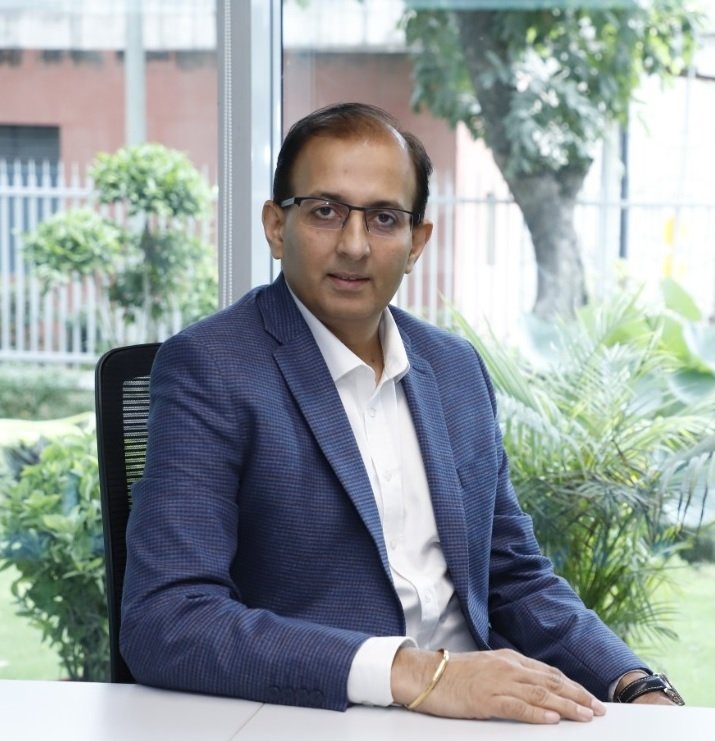
The growing regulatory demands and the expansion of the food processing sector, modern instrumentation such as chromatographic and spectroscopic techniques, calls for accurate detection of contaminants, nutrients, and quality parameters at trace levels. Wika India, part of Germany-based Wika Group, has been instrumental in specialising in pressure and temperature measurement and calibration technology for the food and beverage sector, among other sectors. Gaurav Bawa, Senior Vice President, WIKA India, speaks, at length, about the further need for food instrumentation that supports process control and hygiene management in production environments. Edited excerpts:
How has food instrumentation in India evolved over the years?
Food instrumentation in India has undergone a significant transformation, driven by the increasing complexity of food matrices and the need for precise safety and quality assessments. Traditional analytical methods, such as titration and gravimetry, served foundational purposes but were limited in sensitivity, specificity, and throughput. With the growing regulatory demands and the expansion of the food processing sector, modern instrumentation such as chromatographic and spectroscopic techniques has become indispensable, allowing for accurate detection of contaminants, nutrients, and quality parameters at trace levels.
Furthermore, the adoption of automated and high-throughput systems has enhanced operational efficiency in laboratories and production lines. Instruments now allow multi-analyte determination in a single analysis, reducing analysis time while improving reliability. The evolution also reflects a shift towards integrating digital monitoring, real-time process control, and hygienic design in food processing plants. This ensures not only compliance with standards but also improved consistency and safety in Indian food production, aligning the industry with global practices.
What are the set standards for food instrumentation?
Food instrumentation in India is guided by a combination of international and regional standards to ensure measurement accuracy, hygiene, and safety. Regulatory frameworks such as those set by the FDA, EHEDG, and 3-A Sanitary Standards are applied in instrument design and process integration. These standards dictate material selection, surface finishes, and process safety requirements, particularly for instruments in direct contact with food. They also emphasise cleanability, sterilisation, and process monitoring compliance, forming an essential part of hygiene and quality management systems in food processing operations.
Additionally, calibration and conformity assessment are crucial for ensuring ongoing
compliance. Instruments are subject to rigorous testing, certification, and documentation to maintain adherence to standards such as ISO 9001 and ISO/IEC 17025. This includes verification within HACCP frameworks and routine calibration services. By aligning with these benchmarks, food instrumentation not only maintains measurement integrity but also ensures traceability, reproducibility, and regulatory compliance across Indian food manufacturing operations.
Food safety is a major concern in India. What role does food instrumentation play in this regard?
Food instrumentation plays a critical role in safeguarding public health by detecting contaminants, ensuring nutritional accuracy, and supporting compliance with safety regulations. Advanced analytical tools, such as HPLC, GC, LC-MS, ICP-MS, and NIR spectroscopy, allow precise monitoring of pesticides, mycotoxins, heavy metals, and allergens in food products. These instruments provide sensitivity down to parts-per-billion levels, enabling early detection and preventive action, thereby mitigating potential risks to consumers and ensuring adherence to both domestic and international safety requirements.
Moreover, instrumentation supports process control and hygiene management in production environments. Real-time monitoring of critical parameters such as temperature, pressure, and flow ensures that processes remain within safe operating ranges. The incorporation of automated diagnostics and multi-analyte analysis capabilities reduces human error, facilitates faster response times, and reinforces contamination control, making instrumentation central to maintaining high standards of food safety in Indian production facilities.
With India exporting food products to various nations globally, how well are manufacturers well-versed with this technique?
Indian manufacturers have increasingly aligned their operational practices with global analytical requirements, adopting sophisticated instrumentation for quality assurance and regulatory compliance. With exports subject to rigorous scrutiny, manufacturers are integrating instruments capable of detecting contaminants and verifying nutritional content with high specificity and sensitivity. Techniques such as chromatography, mass spectrometry, and spectroscopic analysis are now being applied routinely to ensure products meet international safety standards and labelling accuracy.
Training and expertise in handling these instruments are becoming standard practice in export-oriented facilities. Manufacturers are also emphasising hygienic design, cleanability, and calibration standards to ensure instruments deliver consistent performance. As a result, India’s food industry is progressively becoming competent in leveraging instrumentation for quality verification, process monitoring, and global compliance, fostering confidence among international buyers regarding product safety and authenticity.
What role does WIKA India play in ensuring food safety by using analytical tools?
WIKA India supports food safety by providing precise measurement solutions that continuously monitor key process parameters such as temperature, pressure, flow, and level. These instruments are designed for hygienic environments and safe direct contact with food, reducing contamination risks. Real-time monitoring combined with automated diagnostics allows operators to detect deviations early, respond promptly, and maintain process reliability, ensuring that production consistently meets defined safety standards without compromising product integrity.
In addition, WIKA India’s analytical tools integrate seamlessly into production systems while adhering to regulatory frameworks such as FDA, EHEDG, and 3-A. Comprehensive calibration services and traceable documentation guarantee measurement accuracy and reproducibility. By enabling systematic quality control and process verification, these instruments provide reliable assurance of product safety, support contamination prevention, and reinforce compliance with both national and international food safety requirements.
Your launches in the pipeline for instrumentation.
Our instrumentation focus is on advanced smart sensing solutions designed for hygienic food processing environments, enabling precise measurement of parameters in tanks, silos, and UHT systems. These instruments provide accurate real-time data and support critical process monitoring, ensuring operational consistency and reliability. Their design allows seamless integration within production systems, facilitating multi-point monitoring while meeting rigorous quality control and process safety standards, reflecting the evolving requirements of modern food manufacturing operations.
Sanjiv Das