
Inside BENEO’s new pulse plant: pioneering sustainable protein from faba beans
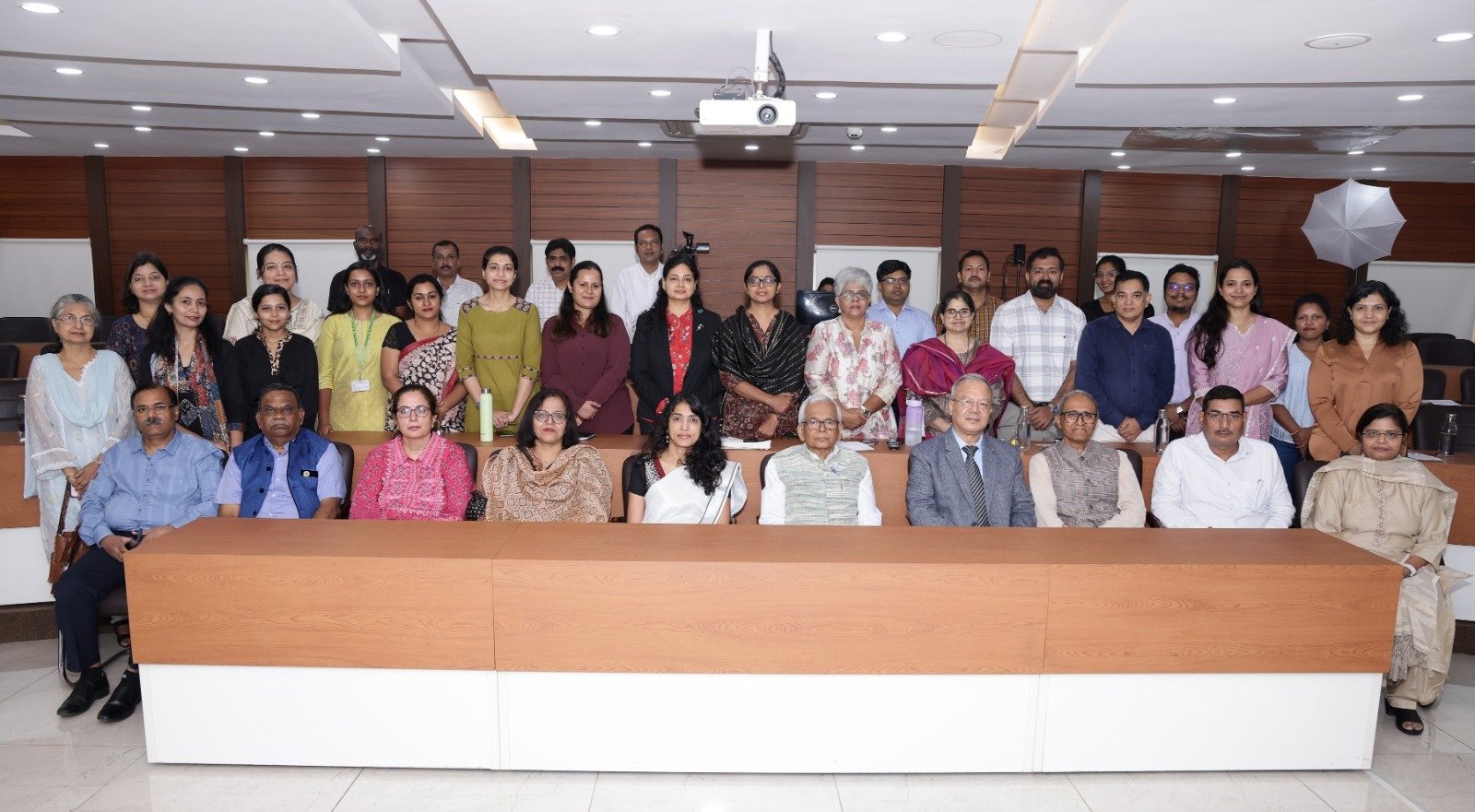
A panel discussion explored the roles of academia, industry, enforcement agencies, and other stakeholders in building a robust risk assessment framework — one that involves comprehensive data collection, interpretation, and communication
The International Training Centre for Food Safety and Nutrition (ITC-FSAN), under the guidance of FSSAI and EIC, hosted a thought-provoking workshop on “Chemical Risk Assessment (Plant Protection & Additives): Strengthening Evidence for Better Decisions.” The event was supported by Hindustan Unilever Limited (HUL).
The workshop marked a significant step in India’s journey toward science- and risk-based food safety regulation — a direction that promises smarter, more transparent, and more effective protection for consumers.
The event saw participation from members of FSSAI’s Scientific Panels, government agencies, academia, and industry — all united by a shared goal: to strengthen India’s capacity for science-based food safety decision-making.
The inaugural session was graced by Pritee Chaudhary, IRS, Director, FSSAI (West Region), SG Dwivedi, Joint Director & In-Charge, Export Inspection Agency, Mumbai; Dr Debabrata Kanungo, Chairman, Food Safety Risk Assessment Committee, FSSAI; Dr Gyannendra Gongal, Senior Public Health Officer, WHO; Vaidehi Kalzunkar, Deputy Director, FSSAI; Subhaprada Nishtala, Head – Academic Programs, ITC-FSAN; Dr Nimish Shah, General Manager, Regulatory Affairs-South Asia, Unilever; Dr Sangeetha Chada, Lead-Regulatory Advocacy, India, HUL.
Dr Debabrata Kanungo opened the technical sessions by introducing participants to various tools and methodologies used in risk assessment. He discussed computational and predictive models — including the use of artificial intelligence — as a prelude to in-vivo toxicity testing.
Dr Paul Hepburn (Head of Regulatory Science, Unilever) along with Dr Adam Woods and Sri. Richard Cubberley presented how novel non-animal models are being employed by Unilever in assessing the risks of plant protection chemicals and pesticides. He effectively demonstrated the growing importance of in-vitro testing and bioassays as ethical and reliable alternatives to in-vivo animal testing.
Dr Gyannendra Gongal emphasised the importance of risk communication and the pivotal role of social media in achieving it. He noted that social media, having grown by leaps and bounds, can be leveraged for rapid and effective dissemination of food safety information. He also highlighted the need to include food allergens in risk assessment programs.
Dr Dinesh Kumar (Head, FSSAI Panel on Additives) presented several case studies illustrating the approach used for determining points of departure in risk assessment. Similarly, Dr Suchi Chawla elaborated on strategies for setting maximum residue limits (MRLs) for various pesticides.
Dr Nimish Shah, General Manager, Regulatory Affairs-South Asia, Unilever, highlighted that risk-based approaches enable the food sector to protect the consumers while at the same time safeguard agricultural productivity & farm incomes.
The event concluded with an engaging panel discussion, moderated by Dr Kanungo, featuring Prof Uday S Annapure, Head, Department of Food Engineering & Technology, ICT Mumbai; Dr Sathya TN, Director, Yestox Consulting; Vaidehi Kalzunkar, Deputy Director, FSSAI; Dr Arunkumar Mallick, Assistant Director, EIA Mumbai.
The panel explored the roles of academia, industry, enforcement agencies, and other stakeholders in building a robust risk assessment framework — one that involves comprehensive data collection, interpretation, and communication.
The workshop concluded with a feedback and Q&A session, underscoring that risk assessment is a critical tool for identifying, evaluating, and controlling potential hazards in food systems.
As a next step, ITC-FSAN will continue to strengthen national capabilities in risk assessment, integrate risk-based approaches into food safety decision-making, and bring global science closer to local practice. A knowledge paper capturing the key learnings and the path ahead is currently being developed.