
Inside BENEO’s new pulse plant: pioneering sustainable protein from faba beans
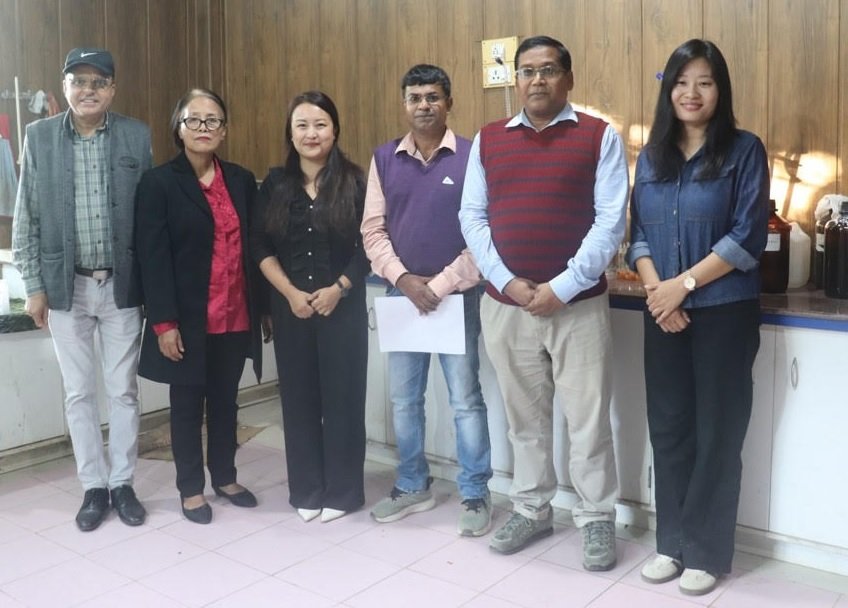
The research offers practical and sustainable approaches that can strengthen rural livelihoods mitigate the environmental burden of fruit waste and generate additional revenue
Nagaland University researchers have shown how pineapple processing waste can be converted into value-added products. Their work guides practical, sustainable methods that can support rural livelihoods while reducing the environmental burden of fruit waste.
Nagaland has become a notable pineapple-growing region, known for fruit that is exceptionally sweet, rich in juice and low in fibre. The ‘KEW’ variety is widely cultivated, with the ‘Queen’ variety grown in smaller pockets.
Vinegar production is one such avenue, as the sugar-rich residues provide an ideal base for alcoholic and acetic fermentation. Vinegar has long been used as a preservative and condiment, and fruit-based vinegars are increasingly noted for their functional and nutritional benefits. The cutting-edge finding demonstrates the potential to replace the highly expensive apple-based vinegar, thereby paving the way for sustainable waste utilization and enhanced revenue generation in commercial pineapple-growing belt.
The findings of this research by Nagaland University were published in European Journal of Nutrition and Food Safety (DOI: 10.9734/ejnfs/2025/v17i31667), a peer-reviewed, open-access journal that publishes research on human nutrition and food safety.
The Research Paper was co-authored by Dr Sentinaro Walling, Prof Akali Sema, Prof CS Maiti, Dr Animesh Sarkar, Prof SP Kanaujia and Alemla Imchen from Department of Horticulture, Nagaland University.
Highlighting the impact of the University’s research on local communities, Prof Jagadish K Patnaik, Vice Chancellor, Nagaland University, said, “I am pleased to announce a significant scientific breakthrough achieved by researchers of Nagaland University, who have successfully developed high-quality vinegar from pineapple peels, an innovative step toward sustainable, value-added processing of agricultural by-products. This research reflects our University’s commitment to environmentally responsible innovation, rural livelihood enhancement and scientific contributions rooted in local resources. Transforming these discarded peels into a commercially valuable, nutritious, and eco-friendly product not only reduces waste but also opens new opportunities for entrepreneurship, food-processing industries, and community-based enterprises.”
Elaborating on this research, academic team leader, Prof Akali Sema, Department of Horticulture, Nagaland University, said, “Our study examined whether different parts of pineapple processing waste could be turned into good-quality vinegar. Using standard fermentation with yeast (Saccharomyces cerevisiae) and acetic acid bacteria, we found that vinegar made from the peel consistently performed better in acidity, colour and flavour. A group of sensory panels also preferred the peel-based vinegar for its taste, aroma and overall quality in compliance with commercial fruit-based vinegar, showing that this commonly discarded material has strong potential to be transformed from waste to wealth.”
Further, Prof CS Maiti, Department of Horticulture, Nagaland University, said, “Work is also underway to reduce crown size for export suitability, packaging and to identify treatments that enhance fruit quality, yield and shelf life.”
Dr Animesh Sarkar, Associate Professor, Department of Horticulture, added, “The School of Agricultural Sciences also refined and disseminated the technology for commercial cultivation where farmers plant in intervals to avoid seasonal gluts, maintain a steady supply round the year through staggered planting, prevent price drops and ensure more stable income and year-round employment generation.”
The research scholar, Sentinaro Walling is set to register a patent under product development category for the preparation of candy from pineapple core waste.
The research contributes to ongoing efforts to strengthen sustainable pineapple production, improve value addition and bolstering rural livelihoods in Nagaland. The conducive geo-ecological conditions ensure excellent fruit quality reflected in its blended sweetness and other desirable biochemical attributes that may once again prove its high acceptability among the pineapple lovers.