
Inside BENEO’s new pulse plant: pioneering sustainable protein from faba beans
Richa Jaggi, Co-Founder & CMO, Awshad
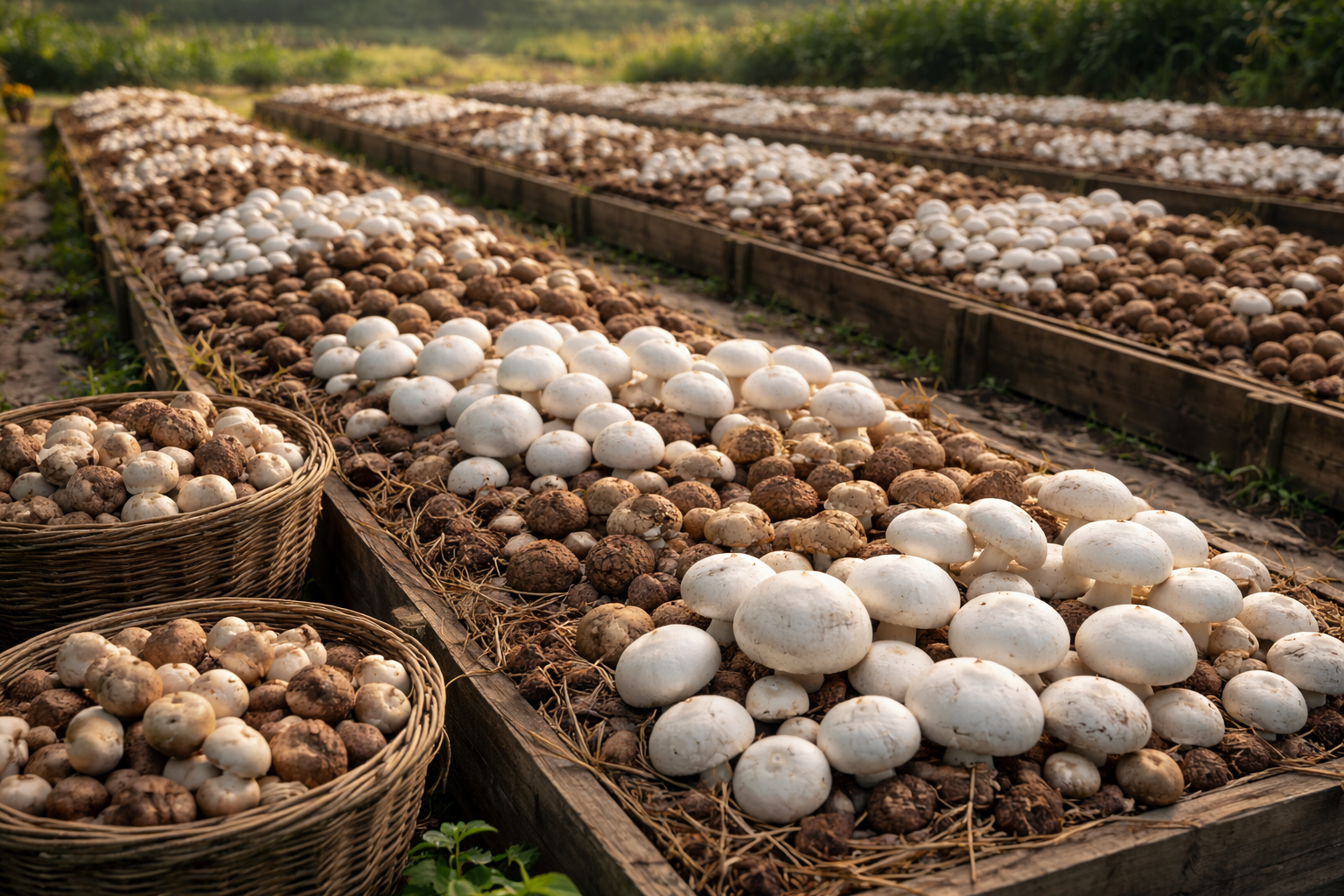
For a long time, mushroom cultivation was tucked away in a small corner of the agricultural sector, mostly producing white button mushrooms for local grocery shelves. That era is over. Today, mushrooms are anchoring a massive shift in the functional food and wellness space. We are seeing a basic farm commodity transform into a high-value raw material for mental wellness, stress resilience, and neurological health.
This transition isn’t just a trend; it’s a response to a fundamental change in how we live. As our understanding of the brain-body connection deepens, the “humble” mushroom has emerged as a scientifically backed solution for a world grappling with burnout and chronic stress.
The New Era of Functional Nutrition
The modern consumer is no longer satisfied with food that simply provides calories. There is an aggressive demand for “performance nutrition” that means ingredients tend to sharpen focus, restore emotional balance, and improve sleep quality without the crash associated with synthetic stimulants.
This is exactly where fungi come into the picture. Industry data shows a significant surge in the global functional mushroom market, but what’s more interesting is who is buying them. Varieties that were once the exclusive domain of herbalists like Lion’s Mane, Reishi, Cordyceps, and Chaga. They are now being formulated into daily coffee blends, morning supplements, and evening wellness tonics.
However, this growth would be impossible without the infrastructure of modern farming. To meet this demand at scale, the industry has had to move from foraging to high-precision cultivation.
The Necessity of Precision
The true value of a functional mushroom lies in its bioactive profile, specifically its concentration of beta-glucans and adaptogenic compounds. These are the elements that actually do the heavy lifting for our immune systems and cognitive health.
The reality, however, is that these benefits are volatile. Mushrooms grown in inconsistent or uncontrolled environments often lack the potency required to be effective. This is why professional, scientific farming is the linchpin of the entire industry.
Today’s growers utilise sophisticated, climate-controlled environments to manage every variable from substrate purity and humidity to light cycles and oxygen levels. For a wellness brand, this isn’t just a technical preference; it is the bedrock of consumer trust. By ensuring that every harvest maintains the same high level of bioactive strength, the industry can deliver on the promises it makes to the end user.
The “Clean-Label” Integrity Starts in the Soil
As consumers become more skeptical of synthetic fillers, the “clean-label” movement has become a non-negotiable standard. People are scrutinising the back of the bottle, looking for ingredients they can actually pronounce. Mushrooms fit this profile perfectly as they are naturally vegan and carry a “whole-food” aura that synthetic supplements can’t match.
However, a clean label is only as good as the farm it starts on. Modern, responsible cultivation means growing without the “quick-fix” chemical pesticides that can plague mass-market agriculture. For brands positioning themselves for daily, long-term use, the farm is where the marketing promise is either kept or broken.
Why Wild-Harvesting Doesn’t Cut It Anymore
In the world of functional wellness, consistency is the ultimate currency. This is the primary reason why wild-harvested mushrooms, despite their romantic appeal, are becoming a liability for large-scale brands. In the wild, a mushroom’s potency is a gamble.It depends on that year’s rainfall, the specific tree it grew on, and the regional soil chemistry.
If a consumer buys a Lion’s Mane extract for cognitive clarity, they expect the same level of hericenones and erinacines in every single dose. Precision farming is the only way to guarantee that. By controlling the light cycles, humidity, and substrate purity, modern facilities turn biological growth into a predictable manufacturing process. This scientific rigor is the bedrock of consumer trust; it ensures that the “wellness” promised on the shelf is actually delivered in the bottle.
If you’re relying on wild-harvested or “traditional” mushroom sourcing, you’re basically dealing with a moving target. The problem is simple: nature is erratic. One batch might be potent, while the next is virtually inert. Scientific farming fixes this by turning the grow room into a controlled laboratory. We aren’t just “growing” fungi; we’re managing light, humidity, and substrate chemistry to hit specific bioactive markers every single time.
For a wellness brand, this isn’t just a “quality check” box to tick. It’s the entire foundation of the product. If a customer is buying a supplement for stress or cognitive clarity, they need to know that the third bottle works exactly like the first. Consistency is the difference between a real solution and a placebo.
The Pivot Toward “Performance” Nutrition
We are seeing a massive, permanent shift in how people approach mental health. It’s no longer something you only think about during a crisis. It’s a daily maintenance task. Because of this, the line between “food” and “pharmacy” is blurring. People are tired of synthetic quick-fixes and are looking for functional nutrition.
This is where the mushroom industry bridges the gap. We’re moving away from seeing mushrooms as a pizza topping and toward seeing them as neurological support
Farming as Wellness Infrastructure
The future of mushroom cultivation transcends traditional agriculture. We are essentially building a new form of “wellness infrastructure.” Much like the dairy industry became the backbone of protein nutrition, mushroom farming is becoming the foundation for cognitive and emotional health.
As scientific validation catches up with traditional wisdom, the role of fungi in our daily lives will only expand. Success in this sector will eventually be determined by more than just clever branding or complex formulations; it will depend on the integrity and scientific rigor of the cultivation process itself.
Beyond Fresh Produce: The Rise of Value-Added Mushroom Products
One of the biggest changes in the mushroom industry is the shift from fresh consumption to value-added products.
Fresh mushrooms have a short shelf life and limited reach. In contrast, value-added mushroom products can travel, scale, and serve specific wellness needs. These include: Mushroom extracts, Powders, Capsules, Gummies, Beverage blends and Daily wellness supplements.
This transition has unlocked new revenue streams for farmers, processors, and wellness brands alike. Instead of selling mushrooms by the kilogram, the industry is now creating targeted solutions for stress, sleep, focus, and immunity.
Consistency Is the Backbone of Functional Wellness
One of the biggest challenges in functional foods is trust. Consumers expect the same results every time they use a product. Wild-harvested mushrooms can vary widely in potency depending on soil quality, climate, and region. This unpredictability makes them unsuitable for functional food formulations.
Integrating Mushrooms into the Modern Wellness Economy
We are witnessing a fundamental shift in how society views mental health. It is no longer a niche conversation but a daily priority. As burnout and chronic stress become more prevalent, consumers are looking toward functional nutrition as a proactive defense.
This has paved the way for a new economy where food acts as preventive medicine. Functional mushrooms bridge the gap between basic nutrition and neurological support.
India’s Strategic Role in the Value Chain
India stands at a unique crossroads in this global market. While the country possesses deep agricultural expertise and diverse climatic zones, the current focus remains largely on high-volume, low-margin fresh produce.
The real opportunity lies in shifting toward a functional value chain. Instead of growing mushrooms solely for the food market, there is immense potential in cultivating premium varieties specifically for high-grade extracts and pharmaceutical applications. By modernising our infrastructure and tightening quality standards, India can evolve from a commodity supplier into a global leader in the functional food industry. This transition offers a dual benefit: higher income for the farming community and more accessible, plant-based wellness solutions for the global public.
As scientific validation catches up with traditional wisdom, the role of fungi in our daily lives will only expand as mushrooms such as Lions mane and cordyceps hold deep promise for medical evolution especially for brain function. Success in this sector will eventually be determined by more than just clever branding or complex formulations; it will depend on the integrity and scientific rigor of the cultivation process itself.