
Inside BENEO’s new pulse plant: pioneering sustainable protein from faba beans
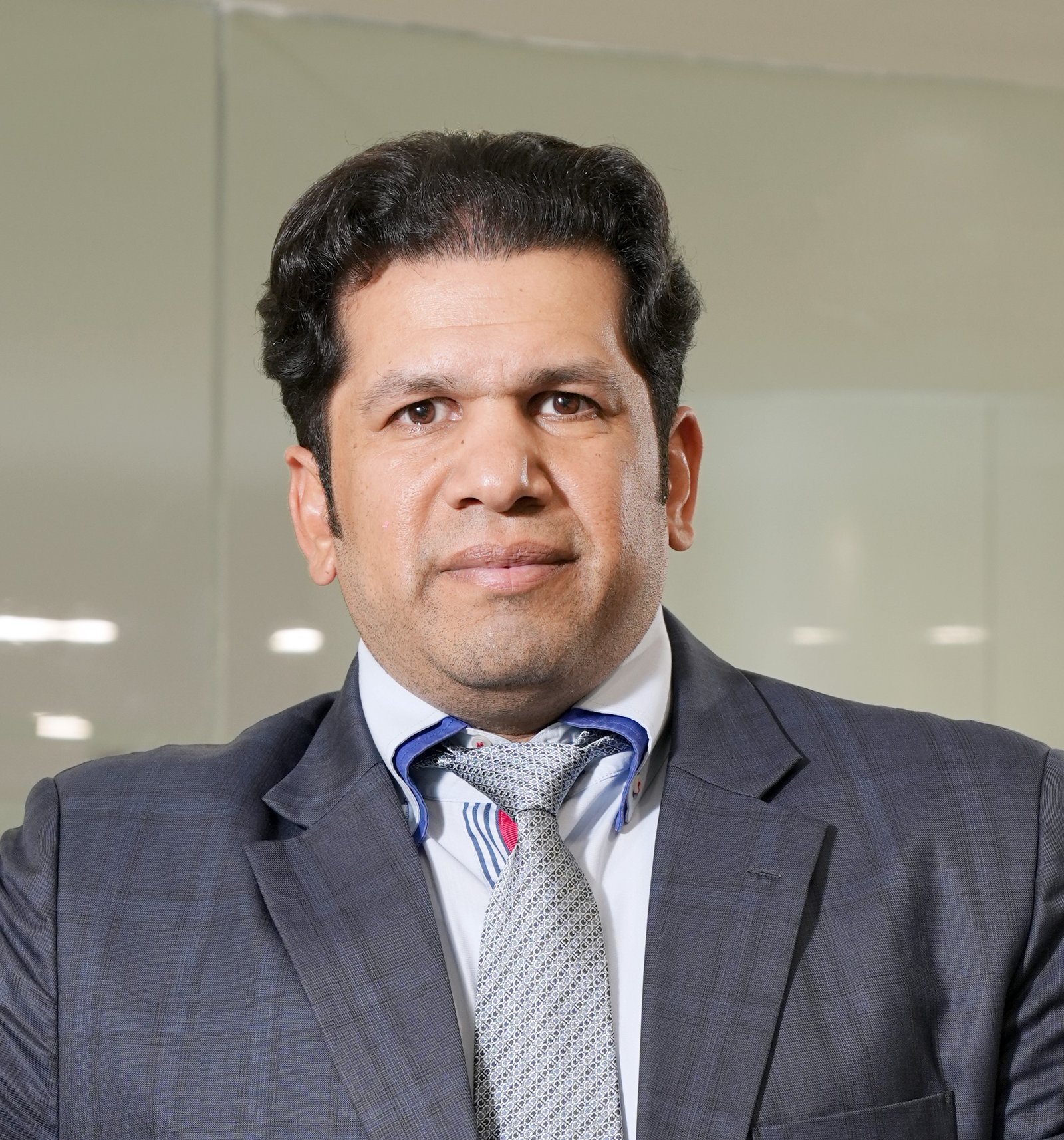
Ashish Mittal, Head – Paddy Procurement & Gautam Budh Nagar Unit, KRBL Limited
India’s rice supply chain operates within a complex ecosystem shaped by seasonality, climate variability, export dynamics, and evolving consumer expectations. As global demand for basmati and specialty rice grows, the focus is shifting toward traceability, digital integration, sustainable sourcing, and scientific storage practices. Companies are increasingly investing in data-led procurement, automated processing, and renewable energy to strengthen supply resilience and quality assurance. In this interaction with NUFFOODS Spectrum, Ashish Mittal, Head – Paddy Procurement & Gautam Budh Nagar Unit, KRBL Limited, elabortes on how procurement strategy, technology adoption, sustainability initiatives, and end-to-end integration are redefining efficiency and competitiveness in India’s rice value chain. Edited excerpts:
India’s rice supply chain is complex and seasonal. How does your unit ensure stability in procurement amid fluctuating harvests and weather conditions?
We have built a deep, long-standing farmer network across key basmati and non-basmati growing regions, which allows us to source consistently across seasons rather than depend on a single harvest cycle. This geographic diversification significantly reduces weather-related and regional risks.
At the same time, our procurement decisions are guided by advanced crop intelligence, weather monitoring, and demand forecasting, enabling us to anticipate volatility and act early. Because procurement is closely integrated with our in-house milling, storage, and ageing infrastructure, we have the flexibility to manage seasonal inflows efficiently. This is further strengthened by a robust buffer stock strategy, which ensures continuity of supply even during short-term disruptions, allowing us to maintain consistency in quality and availability for our customers.
How do you maintain traceability and quality control from farm to mill to final product?
At KRBL, traceability and quality control are built into an integrated farm-to-plate ecosystem, not added later in the process. Traceability begins at the farm level through GI-tagged systems, covering seed development, contract farming, processing, aging, packaging, and final distribution—ensuring the authenticity of Basmati at every stage.
Quality is safeguarded well before milling begins. Advanced, zero hand-touch operations, supported by Bühler’s gentle cleaning and drying technologies, ensure uniform drying, minimise brokens, and preserve yield and cooking quality. This is complemented by stringent certifications and multi-stage quality checks across cleaning, milling, grading, and packaging.
In total, 100+ physical, chemical (including pesticide and heavy metal), and biological tests are conducted to ensure only premium-quality rice reaches consumers. This end-to-end control allows us to consistently deliver authentic, high-quality Basmati while preserving its unique characteristics
What strategies or technologies are being adopted to reduce post-harvest losses and inefficiencies in logistics?
At KRBL, post-harvest losses and logistics inefficiencies are addressed through automation, digitisation, and data-led planning. Zero hand-touch processing and automated handling reduce spillage, contamination, and grain damage immediately after harvest.
Grain quality is preserved through modern storage and ageing infrastructure, supported by scientific warehousing and multi-stage quality checks from intake to dispatch. On the logistics side, digital tracking, real-time inventory visibility, and forecasting improve planning and reduce transit inefficiencies.
In partnership with Miebach Consulting, we have implemented a 3×3 SKU framework to rationalise SKUs, optimise inventory, and ensure faster market alignment. Digitised logistics processes such as e-Lorry Receipts and e-Proof of Delivery (e-POD) further enhance traceability and reliability—creating a leaner, more responsive supply chain.
How do you balance quality, cost, and shelf life in aged rice while using new technologies to preserve its aroma and freshness?
At KRBL, balancing quality, cost, and shelf life in aged rice begins with scientific ageing rather than ageing by time alone. We use controlled ageing environments to ensure consistency in texture and taste, while avoiding overstocking and quality drift. This allows us to deliver the desired eating experience without compromising working capital efficiency.
Preservation is driven by technology-led interventions, including modern milling, zero hand-touch handling, and sealed packaging that protect grain integrity and retain aroma and freshness throughout the product lifecycle. Smart inventory planning, supported by demand forecasting and batch-wise ageing, helps us align shelf life with market demand while maintaining cost efficiency. These processes are reinforced by quality checks at every stage, during ageing, milling, and packing, ensuring standards are met without unnecessary cost escalation. With end-to-end in-house integration across procurement, ageing, processing, and distribution, complemented by advanced storage and packaging technologies, we are able to ensure food safety, shelf stability, and consistent quality at scale, while continuously using science and technology to enhance the consumer experience and strengthen brand recall through the introduction of new packaging this year across our rice portfolio to enhance product segmentation.
What role does sustainability play in your procurement strategy — particularly in water usage, energy efficiency, and farmer engagement?
Farmers’ welfare has always been our utmost priority. We follow a farmers-first approach and always encourage them to adapt scientific agricultural practices. With our farmer partners, we have continued to strengthen our digital-first farming model, providing real-time agronomic insights through predictive analytics. By empowering farmers with better data, we ensure higher yields, improved sustainability. We have been providing direct farmer support through our field education and training programs.
Sustainable practices have become very crucial. Today, nearly 90% of our operational energy needs are met through renewable sources, and we have achieved more than a 70% reduction in water usage from groundwater, supported by Effluent Treatment Plants (ETPs) for extensive wastewater recycling. Beyond our fields and mills, we also take responsibility for our environmental footprint by collecting, recycling, or safely disposing of 3,320 tonnes of plastic waste thus making us plastic-neutral in the domestic market from 2019. We also have a robust renewable energy portfolio, with an installed capacity of 17.59 MW from biomass power generation and 112.25 MW from wind power generation.
We are setting up an advanced in-house pesticide residue lab to rigorously test pesticides, aflatoxins, and ochratoxins so that our products continue to meet the highest safety and quality standards. We are also investing actively in solar powered mills for our production process to not just ensure exceptional quality, but also ecological responsibility.
What, according to you, will define the next phase of growth and innovation in India’s rice supply chain ecosystem?
The next phase of growth in India’s rice supply chain will be shaped by a decisive shift toward digitalization, transparency, data, and consumer-centricity, trends that are already redefining FMCG supply chains globally. As consumers demand faster deliveries, greater product authenticity, and complete visibility into sourcing and quality, companies must build supply chains that are digitally integrated end to end. This means leveraging real-time data for smarter demand forecasting, automating logistics and documentation for accuracy and speed, and enabling full traceability from farm to shelf, and with the rise of quick commerce, brands are expected to be digitally visible and instantly accessible. Globally, demand for Indian rice, especially basmati, continues to grow, while price alone is no longer the primary driver of purchase.
At the same time, the consumer landscape is transforming rapidly. Today’s buyers have strong digital engagement, actively research products, and increasingly value quality, authenticity of origin, sustainability, and organic production. They seek a balance of nutrition and taste. This future will be defined by trust, traceability, and technology, and KRBL is already well aligned with these shifts, ensuring that our strategies and systems are built for the next era of growth.
Suchetana Choudhury (suchetana.choudhuri@agrospectrumindia.com)