
Inside BENEO’s new pulse plant: pioneering sustainable protein from faba beans
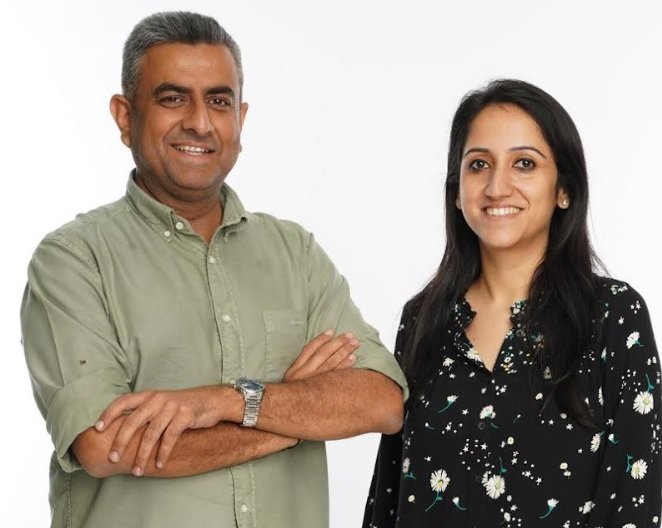
Organic Tattva, one of India’s prominent organic food brands, offers a diverse portfolio of certified organic products, including pulses, flours, grains, spices, superfoods, and everyday pantry essentials. The company emphasises delivering pure, chemical-free food that is responsibly sourced, while promoting health and wellness through sustainable farming practices. In an interaction with NUFFOODS Spectrum India, Co-Founders Rohit Mehrotra and Kriti Mehrotra share insights into ingredient sourcing, sectoral challenges, and ensuring traceability across the supply chain.
What is the current state of ingredients market in India?
Consumers today are far more aware—they are reading labels, questioning sourcing, and actively choosing products that align with their health and values. This has pushed the industry toward clean-label, minimally processed, and organic ingredients. There is a clear shift toward clean-label, plant-based, and organic ingredients, with both domestic and global brands seeking transparency and traceability in sourcing.
Tell us about the challenges being faced by ingredient manufacturers?
One of the biggest challenges is consistency—both in quality and supply. Organic ingredients are deeply dependent on nature, and factors like erratic weather patterns, soil conditions, and crop cycles can significantly impact output.
Another challenge is fragmentation. India’s agricultural ecosystem is still largely made up of smallholder farmers, which makes standardization and aggregation complex. Add to that rising input costs, evolving regulations, and the need for certifications, and manufacturers have to constantly balance cost with compliance.
How do you ensure consistent sourcing of certified organic raw materials?
We work directly with farmer groups and communities, often over many years, to build trust and reliability. We invest in long-term partnerships, where farmers are aligned with our quality expectations from the
beginning. Certification is non-negotiable, but beyond that, we conduct 3rd party testing of each lot we procure and further conduct internal quality checks at muliple stages.
What challenges do you face in working with smallholder organic farmers in India?
Many farmers are transitioning to organic, which means they face an initial drop in yield and income uncertainty. Supporting them through that phase requires patience and long-term commitment. There are also challenges around awareness, access to infrastructure, and documentation for certifications. Since farms are small and geographically spread out, monitoring and standardization require strong on-ground systems.
How do you maintain traceability across your supply chain?
Traceability is something we take very seriously—it’s the foundation of trust in an organic brand. Every batch we produce is traceable back to its origin, including the farm it came from. We have implemented a QR code on our packs, which allows our consumers to check the test report and origin of every product they purchase. For us, traceability isn’t just about compliance—it’s about transparency and accountability.
How do you ensure compliance with Food Safety and Standards Authority of India regulations?
As a food brand, we recognise the responsibility we carry toward consumer safety. We follow stringent food safety protocols across our operations—right from raw material testing to finished product evaluation. Our facilities adhere to global standards like BRC and FSMA, and we conduct regular internal and third-party audits.
Which AI technologies are currently being used to ensure product safety?
Sensors monitor storage and transportation conditions in real time, ensuring that temperature and humidity stay within safe limits. Computer vision tools assist during sorting and packaging, ensuring only high-quality ingredients make it through.
Where are your facilities located?
Currently our manufacturing plant is in Greater Noida, and we have distribution warehouses in over 12 states.
Tell us about your growth plans five years down the line.
Over the next five years, our vision is to build a deeply integrated organic ecosystem—from farm to consumer. We aim to expand our product portfolio with a focus on functional, nutrient-rich, and value added products.
We also see strong potential in global markets, where demand for high-quality organic ingredients from India is growing rapidly. At the same time, we want to deepen our farmer partnerships, bring more land under organic cultivation.
Ultimately, our goal is simple: to make clean, honest food accessible, while creating a system that is fair for farmers, transparent for consumers, and sustainable for the planet.
Sanjiv Das
sanjiv.das@mmactiv.com