
Inside BENEO’s new pulse plant: pioneering sustainable protein from faba beans
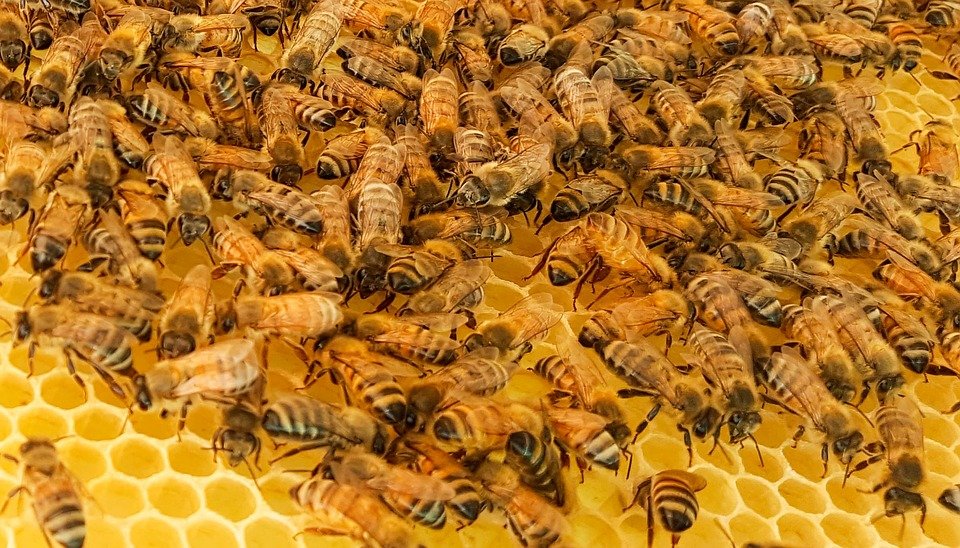
Three quarters of the honeys produced around the world contain neonicotinoids, a family of pesticides known for its role in the decline of bees. This was the conclusion of a study published in the prestigious journal Science recently by an interdisciplinary group of the University of Neuchâtel (UniNE) and the Botanical Garden of the City of Neuchâtel.
However, the measured concentrations of neonicotinoids remain below the maximum permitted levels for human consumption.
Neonicotinoids occupy one-third of the market share of pesticides, mainly on large-scale crops (maize, rapeseed and beetroot), against insect pests, which alter the nervous system, causing paralysis and death.
As these substances pass into the pollen and nectar of the flowers, the bees swallow them when they forge. Now, honey is nothing but the result of the transformation, by the bees, of the nectar in reserve of food. Hence the relevance of measuring the quantities of neonicotinoids.
During this research conducted between 2015 and 2016, scientists analysed 198 honey samples from around the world. They measured the concentration of five most commonly used neonicotinoids (acetamiprid, clothianidin, imidacloprid, thiacloprid and thiamethoxam).
The collection of honeys used results from an action of citizen science initiated by the Botanical Garden of the City of Neuchâtel. “All these samples were given to us,” explained its director Blaise Mulhauser.
“They were taken at random from the travel of more than 100 donors. We have just oriented our choices so as to favour honeys of small producers, or at least of well-defined regions, in order to obtain the best geographical representation,” she added.
With the large quantities of nectar, it harvests each year, the bee has been used as an elegant way to probe the presence of pesticides in our environment.
This work was made possible thanks to UniNE’s UniNet Platform of Analytical Chemistry (NPAC).