
Inside BENEO’s new pulse plant: pioneering sustainable protein from faba beans
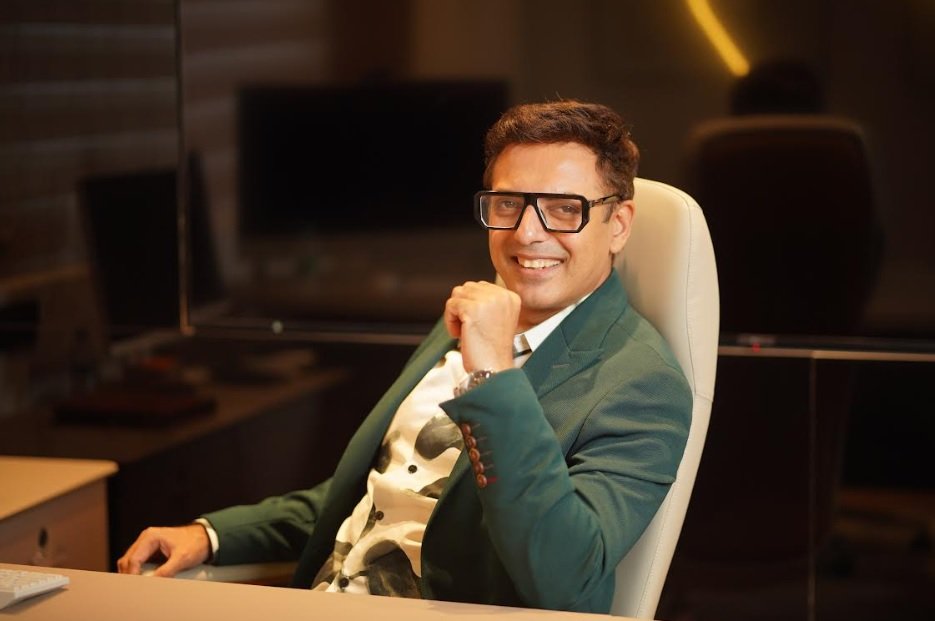
Vihaan Clean & Green Tech Pvt. Ltd. (VCGTPL) has developed one of India’s most advanced and largest Common Effluent Treatment Plants (CETP), designed specifically for the food processing sector. The facility serves as a shared environmental and utility backbone for multiple food processing industries, enabling efficient wastewater treatment and sustainable industrial operations. In an interaction with NUFFOODS Spectrum India, Amit Badlani, Managing Director of Vihaan Clean & Green Tech and Go Green Mechanisms, discusses the sustainability preparedness of India’s food processing sector, the importance of collective infrastructure such as CETPs, and the company’s future growth plans in supporting environmentally responsible industrial development.
How do you assess the sustainability preparedness of India’s food processing sector at present?
India’s food processing industry is slowly building its sustainability readiness through more robust regulatory guidelines and industry-wide awareness. Food processing companies are increasingly turning to renewable energy sources, resource-saving technologies, and waste management technologies such as ‘Waste-to-Value.’ Compliance with pollution control regulations through the use of advanced effluent treatment technologies, wastewater reuse systems, and Zero Liquid Discharge technologies is also gaining traction.
However, the industry is slowly moving from compliance-oriented activities to more specific sustainability targets such as water conservation, circular use of resources, and carbon footprint reduction. The food processing industry is slowly moving in the right direction through initiatives such as the establishment of Mega Food Parks through government initiatives.
What quantifiable environmental impact or sustainability milestones has your organisation achieved so far?
Our facility currently treats and recycles 3 million litres of industrial effluent per day, transforming
wastewater into reusable water that meets the IS 10500 standard for drinking water quality. The facility’s advanced treatment technologies enable the achievement of over 90 per cent water recovery on a daily basis.
The plant is built on the energy-saving European ZLD technology, which focuses on the optimal consumption of energy per kilolitre of treated water while maintaining the highest level of treatment efficiency, making it possible for industries within the ecosystem to operate sustainably while being compliant with environmental regulations.
How is your company leveraging AI and automation to support efficiency and sustainability in the food processing industry?
Digitalisation is contributing significantly to the efficient and eco-friendly management of industrial wastewater. For example, real-time monitoring of water quality and plant performance using IoT technology is employed at Vihaan to make timely and efficient decisions and control the plant’s operations.
Our plants are designed with SCADA technology for efficient control of chemical and energy consumption, besides offering more transparency, traceability, and regulatory requirements. In addition, Vihaan’s plants are designed with predictive maintenance technology for efficient ZLD operations, reducing downtime and ensuring 24×7 plant reliability and efficiency.
Vihaan operates 10 MLD ZLD CETPs built on European technology to recycle wastewater to IS 10500 standards. Could you share the locations and what sets your plants apart?
The 3 MLD Zero Liquid Discharge Centralized Effluent Treatment Plant (CETP) is one of the flagship plants developed by us in Dholasan of Mehsana District in Gujarat as part of the Fanidhar Mega Food Park industrial cluster. We are presently developing an additional 3 MLD to be operational by December 2026, with an objective to expand the ultimate facility to 10 MLD through phased expansion.
The unique feature of this facility is our advanced European high-rate anaerobic reactor deployed with membrane-based systems i.e., Membrane Bioreactor (MBR) and Reverse Osmosis (RO) to meet IS 10500 quality standards for treated water. The integrated ZLD design enables high recovery of water, and minimal water discharge into the environment, and the Mega Food Park will enable sharing of sustainable infrastructure for multiple food processing industries.
Who are your key clients within the food processing sector?
Our infrastructure is mainly catering to the food processing industries operating in and around the Mehsana area, especially the food processing industries operating in the potato processing and allied agri-food industries operating in the Fanidhar Mega Food Park cluster.
These industries produce complex organic effluent streams that need to be treated with special treatment facilities. With our shared ZLD facilities, these food processing industries can focus on their respective manufacturing activities without compromising on environmental issues.
What are the most significant operational challenges you currently face?
One of the major difficulties associated with the treatment of food processing effluents lies in the changing characteristics of wastewater, which may change based on the seasonal processing pattern of the food. In addition, the increase in energy costs might affect the economy of operation of ZLD systems, as they are energy-intensive. Additionally, there is a shortage of skilled manpower who are capable of handling complex membrane-based treatment technologies, which are used in the treatment of wastewater.
What are your expansion and growth plans within India’s food processing industry?
We seek to expand to replicate our model of centralised ZLD infrastructure within the major food processing cluster in India, including rapid growth of Mega Food Parks and agri-processing hubs, and other food processing hubs within these major food processing Cluster Regions.
As part of our expansion strategy, we intend to develop additional facilities through the BOO and BOOT
models, allowing industries to gain access to world-class environmental infrastructure without the necessity for an upfront capital investment. In addition, we are working on ‘AI-enabled water analytics’; in order to provide real time monitoring of all plants within a network, which will effectively monitor and optimise multiple facilities.
In addition to our focus on wastewater treatment, we will also investigate opportunities in ‘solid waste to energy’; solutions, biogas production, and resource recovery systems to convert by-products of food processes into energy sources or reusable resources. In addition, we will partner with leading global technology providers in order to bring the next generation of membrane and thermal ZLD technologies to the rapidly growing food processing sector in India.
Sanjiv Das
sanjiv.das@mmactiv.com