
Inside BENEO’s new pulse plant: pioneering sustainable protein from faba beans
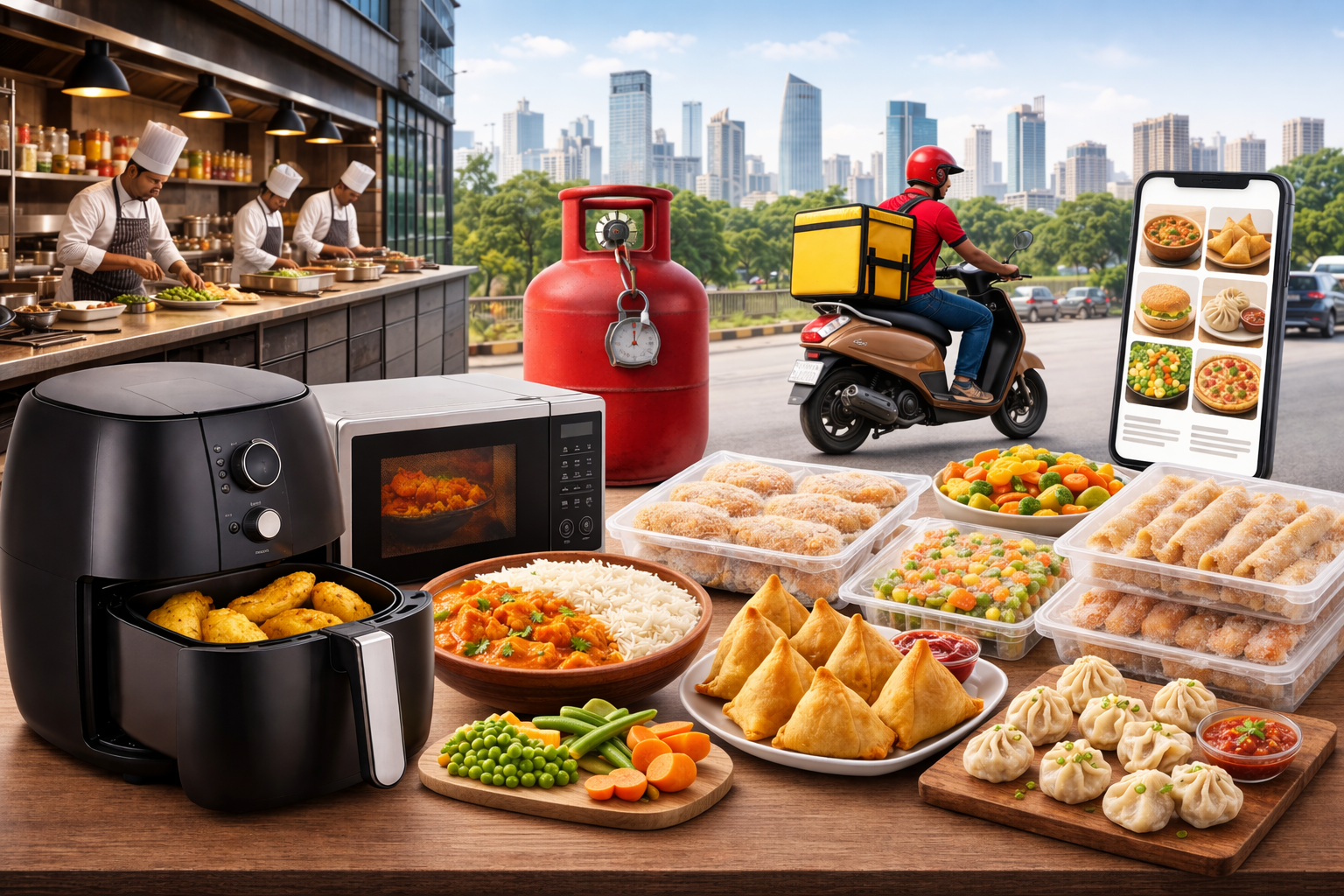
India’s food industry is witnessing an unexpected yet decisive shift, as external disruptions intersect with evolving consumer lifestyles. The ongoing LPG shortages across several parts of the country have acted as a trigger, accelerating the adoption of ready-to-eat (RTE), ready-to-cook (RTC), and frozen food categories. What initially appeared to be a short-term response to a fuel supply crunch is now shaping into a deeper transformation in how food is accessed, prepared, and consumed.
Early indicators suggest that sales of RTE, RTC, and frozen products have surged by 10–20 per cent in recent weeks, reflecting a rapid behavioural pivot among both households and foodservice operators.

Commenting on this trend, Ankit Kumar Pathak, Equity Research Enthusiast, notes that India’s LPG shortage is significantly altering consumption patterns, with households increasingly shifting toward RTE and RTC food products as cooking becomes difficult. He highlights that the category, which had seen a decline earlier this year, recorded a 2.9 per cent growth in early March, with 10.6 per cent year-on-year growth in the first two weeks, signalling a sharp recovery in demand.
He further points out that FMCG companies are beginning to benefit from this transition, as convenience-driven categories such as ready meals and packaged staples witness faster growth. Branded commodities like rice and wheat-based products have also seen strong traction, while demand for ready meals continues to rise across both kirana stores and quick commerce platforms.
Pathak adds that platforms such as Amazon and quick delivery apps are reporting 15–20 per cent growth in packaged food demand, particularly in metro markets, underscoring the role of digital channels in accelerating category adoption. He emphasises that such external shocks can rapidly reshape consumption behaviour, driving short-term demand spikes while strengthening long-term adoption of convenience-driven categories.
This shift is not merely about convenience. It signals a structural change in consumption behaviour, forcing the industry to reconfigure supply chains while unlocking new opportunities in health-driven and premium food segments.
From Cooking to Convenience: A Structural Behaviour Shift
The most immediate impact of the LPG shortage has been felt at the level of everyday cooking practices. With inconsistent supply and rising costs, both households and foodservice operators are increasingly moving away from traditional, fuel-intensive cooking processes. In several urban clusters, commercial kitchens have been forced to reduce menu offerings or temporarily shut operations due to fuel constraints, further accelerating the shift toward alternative formats.
Instead, there is a growing reliance on products that reduce preparation time and energy usage. Ready meals, instant mixes, frozen snacks, and pre-cooked staples are no longer occasional purchases but are becoming essential components of daily consumption.
Consumers are increasingly gravitating toward low-cook or no-cook formats, favouring products that can be quickly heated or assembled with minimal fuel usage. Heat-and-eat curries, frozen parathas, and meal kits are gaining traction as viable alternatives to conventional home cooking.
This transition marks a broader shift from “cooking” to “assembling” food. The emphasis is no longer on preparing meals from scratch but on combining pre-processed elements efficiently. The change is particularly visible in urban centres, where time constraints were already influencing food habits. The LPG crisis has simply accelerated an existing trajectory.
In foodservice, the impact is equally pronounced. Restaurants and catering services are increasingly incorporating semi-prepared and frozen inputs into their operations to manage fuel constraints and maintain consistency. This has translated into a 15–20 per cent increase in demand for frozen snacks and ready bases from foodservice players, as operators look for reliable heat-and-serve solutions.
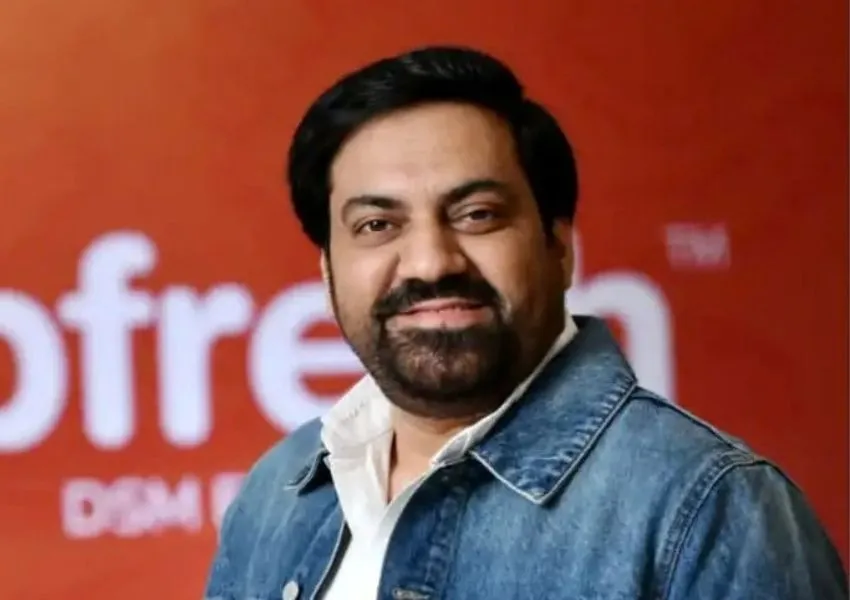
Deepanshu Manchanda, Managing Director & Founder, Zappfresh said “We have seen a noticeable uptick in demand over the past few weeks, particularly from HORECA partners, with enquiries up 10-15 per cent and order volumes rising by 20-30 per cent across key markets. While the recent LPG-related disruptions have accelerated this shift, the underlying driver is structural, kitchens today are increasingly looking for formats that reduce operational dependency, ensure consistency, and improve turnaround time.
From an operations standpoint, we are well-positioned to absorb this surge. Our facilities do not rely on LPG and instead operate on thermic fluid systems, which allows us to remain insulated from such disruptions. Currently operating at around 60 per cent capacity, we have the headroom to scale production without compromising on quality or timelines.
Additionally, our decade-long investment in cold-chain infrastructure and integrated supply chain capabilities is proving critical in moments like this. With dedicated cold storage hubs, owned logistics, and temperature-controlled distribution, we are able to ensure seamless movement and availability across markets. This is further strengthened by our export-grade processing and freezing capabilities, which help maintain product integrity and consistency at scale.”
Zappfresh delivers meat and seafood and has recently forayed into the frozen veg snacks category with Meevaa Foods.
Industry Response: Rewiring Supply Chains and Infrastructure
As demand for convenience foods rises, the industry is being compelled to respond with greater agility and scale. One of the most significant developments is the push toward localised processing and manufacturing. Companies are expanding production capacities closer to consumption hubs to reduce logistics costs and ensure faster replenishment cycles.
This localisation strategy is particularly important for frozen foods, where maintaining product integrity depends heavily on efficient cold chain systems. Investments in cold storage, refrigerated transport, and last-mile delivery infrastructure are gaining momentum as companies seek to capture emerging demand beyond metropolitan markets.
At the same time, the rise of quick commerce platforms is playing a catalytic role. Faster delivery timelines and improved product visibility are encouraging trial and repeat purchases of RTE and RTC products. Brands are adapting by introducing smaller pack sizes, single-serve formats, and products designed for immediate consumption. These formats are particularly suited to urban consumers who prioritise speed and convenience.
Foodservice operators are also reconfiguring their operational models. The LPG shortage has highlighted the limitations of decentralised cooking systems that rely heavily on continuous fuel supply. In response, many players are exploring centralised kitchen models supported by distributed reheating systems. This approach not only reduces fuel dependency but also enables better standardisation and scalability.
However, this rapid transformation is not without challenges. Companies are navigating rising input costs, supply chain inefficiencies, and the complexities of inventory management in a demand environment that is evolving quickly. Ensuring consistent quality while scaling operations remains a key concern, particularly for frozen and ready meal categories that require stringent temperature control and shelf-life management.

“We have not observed a surge in demand within our category. In fact, due to the ongoing gas shortage, a large part of our B2B clientele (primarily restaurant owners) is currently facing operational constraints, resulting in an approximate 10 per cent decline in orders from this segment. This shift is largely driven by temporary infrastructure challenges rather than a change in underlying demand”
“In response to the LPG shortage, we have explored and invested in Electric alternatives. Electric steamers and induction cookers have also run out in many stores. However, to reduce dependency on LPG, we are currently exploring the installation of a gas pipeline as a more sustainable long-term solution. Our steps aim to build more operational resilience against such disruptions,” commented Deepthi Nair, Co-founder of Happy Monk, India’s first premium frozen dim sum brand.
A Long-Term Consumption Shift
The current surge in demand for RTE and frozen foods is unlikely to be a temporary phenomenon. While the LPG situation may stabilise over time, the behavioural changes it has triggered are expected to persist. Once consumers adapt to the convenience and efficiency of these formats, reverting to traditional cooking practices becomes less likely.
Several structural factors will continue to support this growth trajectory, including urbanisation, smaller household sizes, increasing workforce participation, and the expansion of digital retail ecosystems. Together, these trends are reinforcing the relevance of convenience foods in everyday consumption.
For the industry, the challenge lies in sustaining this momentum while addressing operational complexities and evolving consumer expectations. Companies will need to strike a balance between affordability and innovation, ensuring that products remain accessible without compromising on quality or nutritional value.
A Defining Moment for India’s Food Industry
The convergence of a fuel crisis and shifting consumer preferences has created a pivotal moment for India’s food industry. Ready-to-eat and frozen foods are transitioning from niche offerings to mainstream essentials, driven by a combination of necessity and aspiration.
This transformation extends beyond short-term demand spikes. It is reshaping supply chains, redefining product innovation, and altering the fundamental dynamics of food consumption. As the industry adapts to this new reality, the ability to integrate convenience with health, sustainability, and scalability will determine long-term success.
In many ways, the LPG shortage has acted as an inflection point, accelerating trends that were already underway and pushing the industry toward a more efficient, responsive, and consumer-centric future.
Mansi Jamsudkar Padvekar