
Inside BENEO’s new pulse plant: pioneering sustainable protein from faba beans
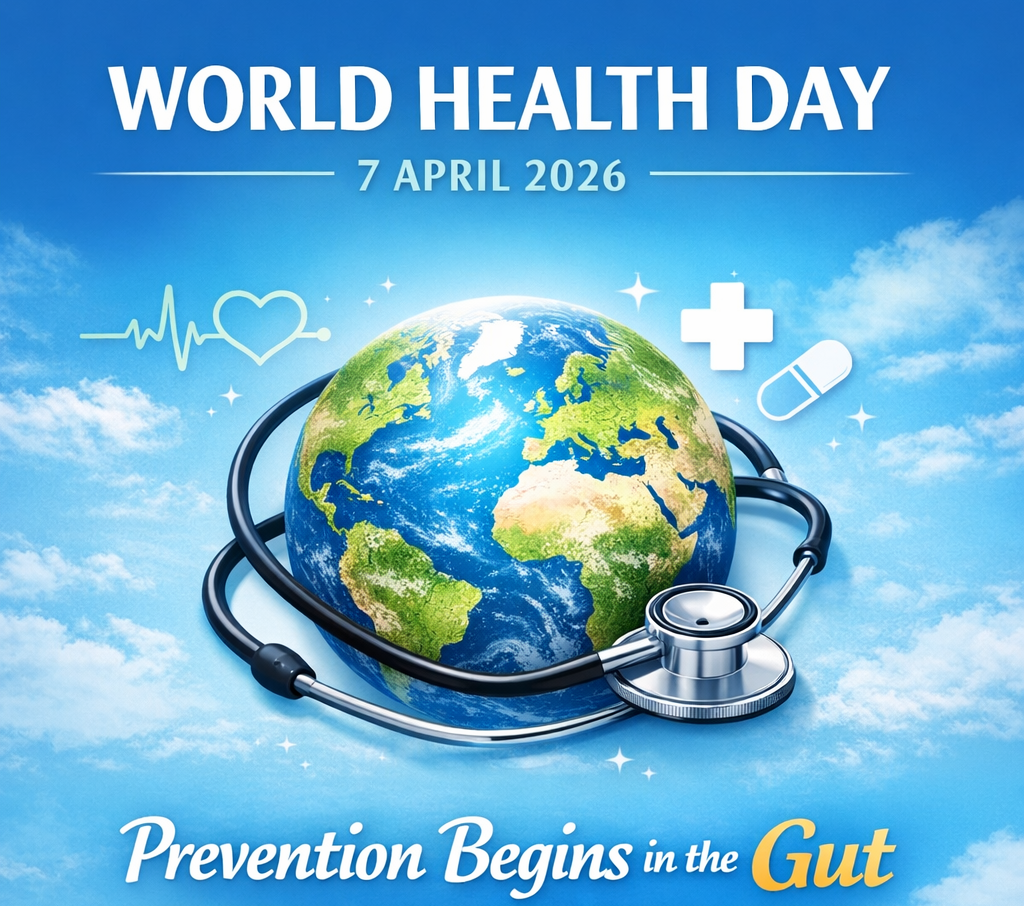
On World Health Day, the global spotlight turns to some of the most pressing health priorities shaping the future of well-being. In 2026, one theme stands out clearly, the growing shift from reactive healthcare to preventive wellness, with gut health emerging as a critical foundation of this transformation.
As lifestyles become increasingly fast-paced and urban health challenges continue to rise, there is a renewed focus on building resilience from within. Experts across the healthcare and nutrition spectrum are now converging on a common insight: long-term health outcomes are deeply rooted in the gut. From immunity and metabolism to mental well-being, the gut is no longer seen as just a digestive organ, but as the starting point of overall health.

For decades, healthcare systems have largely operated on a reactive model, addressing symptoms only after they surface. However, this paradigm is evolving rapidly. As Mithun Majumdar, CEO, 750AD Healthcare Pvt Ltd, aptly puts it, “Since the early ages, healthcare has largely been reactive, addressing symptoms like low energy or poor digestion only after they arise. Today, however, there is a clear shift toward prevention, with growing awareness around the importance of gut health.”
This transition is being fuelled by a deeper understanding of the gut as more than just a digestive organ. “Often referred to as the body’s ‘second brain,’ the gut plays a critical role not just in digestion, but also in regulating metabolism, immunity, and even mood,” he notes, underlining how a well-balanced gut can strengthen natural defence mechanisms and improve the body’s response to infections and chronic conditions, issues that are becoming increasingly common in urban lifestyles.
This awareness is also reshaping consumer behaviour and industry innovation. As Majumdar highlights, “As a result, consumers are turning to functional foods and nutraceuticals as convenient, sustainable ways to support gut health. These solutions go beyond basic nutrition, aiding digestion, improving nutrient absorption, and supporting immunity.” In an era defined by hectic schedules, he adds, “prioritising gut health is becoming essential to building resilience and taking a proactive approach to overall well-being.”

From a clinical standpoint, this shift is not merely a trend but a reflection of evolving medical understanding. Drawing from over two decades of experience, Dr Santhosh Kumar S C, Consultant Gastroenterologist at Sammprada Hospital, Bengaluru, observes that “everything truly begins in the gut,” reinforcing the idea that gut health is foundational to overall health outcomes.
He elaborates that “it’s not just about digestion anymore, the gut acts as a critical gatekeeper for our immune system,” with the gut lining playing a highly selective role in determining what nutrients are absorbed and what harmful elements are kept out. However, modern lifestyles are putting this system under strain. As he explains, “high stress, irregular eating habits, increase in the consumption of processed foods and frequent usage of antibiotic can disrupt this delicate balance,weakening the gut barrier and allowing harmful substances to enter the bloodstream. This, in turn, can trigger inflammation and contribute over time to metabolic disorders, low immunity, and even autoimmune conditions.
Importantly, the implications extend beyond physical health. Dr Santhosh points out that “gut health also impacts how we feel mentally and physically with our energy levels, focus and overall well-being,” making it central to both productivity and quality of life. Yet, the solutions remain relatively simple and accessible. “Supporting your gut doesn’t require anything extreme,” he says, emphasising that consistent habits, such as consuming fibre-rich foods, staying active, and managing stress, can make a meaningful difference. As he often reminds his patients, “if they take care of their gut then their gut will take care of them.”

Further reinforcing this perspective, Dr Anand Devraj, Surgical Gastroenterologist at Prakriya Hospitals, Bengaluru, frames gut health as the emerging foundation of immunity in urban India. He notes that the gut microbiome, comprising over 100 trillion bacteria, plays a decisive role in regulating immune function, influencing nearly 70–80 per cent of the body’s immune cells.
However, he cautions that everyday factors, ranging from irregular eating patterns and antibiotic overuse to environmental stressors like pollution, are steadily weakening this critical barrier. The consequences are already visible in the rising incidence of infections, inflammation, and chronic conditions such as IBS, diabetes, and even mental health disorders linked through the gut-brain axis.
In this context, Dr. Devraj emphasises the importance of returning to dietary fundamentals. Diets rich in fibre and traditional Indian foods, such as curd, millets, and fermented staples like idli, along with probiotics, hydration, and stress management, are no longer optional but essential for maintaining strong immunity and overall health. As urban centres continue to see a surge in gut-related disorders, he suggests that embracing gut-centric habits could play a defining role in shaping the future of preventive healthcare for millions.
As India navigates the complexities of rapid urbanisation and lifestyle change, the convergence of traditional dietary wisdom and modern nutritional science presents a powerful opportunity. This World Health Day, the message resonates clearly across both industry and healthcare communities: the path to long-term wellness begins in the gut, and prevention, not cure, is the way forward.
Mansi Jamsudkar Padvekar
mansi.jamsudkar@mmactiv.com