
Inside BENEO’s new pulse plant: pioneering sustainable protein from faba beans
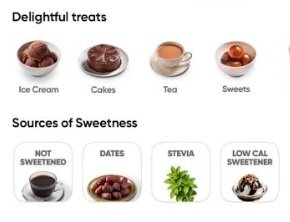
Swiggy has identified and tagged over 92,000 items based on specific natural and low-calorie sweeteners
Swiggy announced a significant intelligence upgrade to its EatRight offering. Swiggy shared that it has added enhanced ingredient level transparency for ‘No Added Sugar’ and ‘No Maida’ food items, and cooking method transparency for ‘No Fry’ category, making it easier for health-conscious consumers to navigate their dietary preferences.
Swiggy has identified and tagged over 92,000 items based on specific natural and low-calorie sweeteners. By manually analyzing data from the label on the packaging, the platform has mapped close to 30,000 items utilising natural sweeteners like dates and Stevia and close to 62,000 items featuring low-calorie sweetened dishes. To easily access these items, there are dedicated entry points that have been enabled for the ‘No Added Sugar’ category allowing users to find sugar-conscious versions of their favorite treats—including ice creams, cakes, Indian sweets, and shakes—with just one tap.
Also, Swiggy has identified and tagged approximately 160,000 items as ‘No Fry’ or ‘No Maida.’ These include better-for-you alternatives of traditionally indulgent dishes under the No Fry sub-category, where typically fried items are instead roasted, baked, grilled, or steamed—such as Tandoori kebabs and tikkas, Grilled paneer burgers, and Grilled chicken sandwiches. Swiggy has included cooking method transparency for 30,000 items in ‘No Fry’ category. Also, in ‘No Maida’ sub-category, transparent ingredient mapping for 130,000 dishes including North Indian meals with multigrain roti, whole wheat pasta, and sandwiches, ensures consumers can avoid maida with confidence.
Deepak Maloo, Vice President – Food Strategy, Customer Experience & New Initiatives, Swiggy, said, “Our goal is to make it easy for consumers to discover and choose from the better-for-you eating options. By leveraging advanced data mapping and deep-diving into ingredient-level data—from the specifications of sweetener in a scoop of ice cream to the cooking method of a kebab—we are giving our users the transparency they need to ensure their wellness goals stay on track, without sacrificing the joy of ordering in.”