
Inside BENEO’s new pulse plant: pioneering sustainable protein from faba beans
Jitu Patel, Director, Daffodil Pharma
If you’ve ever squeezed a lemon into your tea or read the ingredients on a soda can, you’ve encountered citric acid. But there’s a lot more to this common ingredient than most people realize. It shows up in medications, cleaning products, cosmetics, and even the tubes used to collect your blood at the doctor’s office.
Let’s break down what citric acid actually is, why it matters, and where you’ll find it working behind the scenes.
The Basics: What Is Citric Acid?
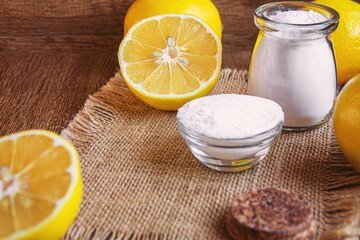
Citric acid is a weak organic acid with the chemical formula C₆H₈O₇. It occurs naturally in citrus fruits hence the name. That sharp, tangy taste in lemons and limes? That’s citric acid doing its thing.
But most of the citric acid used commercially doesn’t come from squeezing millions of lemons. Instead, it’s produced through fermentation. Manufacturers feed carbohydrates like molasses or glucose to a fungus called Aspergillus niger, which produces citric acid as a metabolic byproduct. This process has been the industry standard for decades because it’s efficient, scalable, and uses renewable resources.
When you combine citric acid with different bases, you get citrate salts. Each one has slightly different properties:
• Sodium citrate prevents blood from clotting in collection tubes
• Potassium citrate helps prevent kidney stones
• Calcium citrate provides a highly absorbable form of calcium for supplements
• Magnesium citrate works as both a supplement and a laxative
These salts share some useful characteristics: they’re multifunctional, FDA-approved as safe for consumption, biodegradable, and increasingly popular as consumers look for “natural” ingredients.
Where Citrates Show Up in Everyday Life:
In Your Medicine Cabinet
Citrates play several roles in pharmaceuticals. Sometimes they’re the active ingredient itself. If you’ve ever been prescribed something for kidney stones, it was probably potassium citrate. It works by making your urine less acidic, which helps prevent certain types of stones from forming.
Calcium citrate appears in many bone health supplements because your body absorbs it more efficiently than other calcium forms. This matters especially for older adults or anyone with osteoporosis concerns.
Sodium citrate sits in those colorful tubes when you get blood drawn. It prevents clotting so lab technicians can run tests on your sample. Hospitals and clinics worldwide use billions of these tubes every year.
Beyond being active ingredients, citrates also help other medications work better. They buffer pH levels in injections, mask bitter tastes in children’s medicines, and protect sensitive drug compounds from degrading too quickly.
In Your Kitchen
Walk through any grocery store and you’ll find citric acid everywherecarbonated drinks, jams, candies, salad dressings, and dairy products. It does several jobs at once:
• Adds that sour, tangy flavor
• Adjusts pH to prevent bacterial growth
• Grabs onto metal ions that cause discoloration and off-flavors
• Keeps cut fruits and vegetables from browning
• Helps preserve vitamin C in fortified foods
There’s a growing trend worth noting here. Consumers are increasingly reading ingredient labels and avoiding things that sound like they came from a chemistry lab. Food manufacturers are replacing synthetic preservatives with ingredients perceived as “natural.” Citric acid fits perfectly into this shift. It’s effective, it’s derived from fermentation (which feels natural), and most people recognize it.
In processed cheese, sodium citrate performs a neat trick: it keeps the fat from separating when you melt the cheese. That’s why processed cheese slices melt so smoothly and evenlycitrate is doing the heavy lifting.
In Industrial Settings
Citric acid excels at removing mineral deposits and limescale. If you’ve ever used it to descale a coffee maker or kettle, you know how well it works. Industrial operations use it at much larger scales cleaning cooling towers, pipes, and manufacturing equipment.
Environmental regulations are driving this application forward. Many countries, especially in Europe, are phasing out phosphate-based cleaners because they harm aquatic ecosystems. Citric acid offers comparable cleaning power without the environmental downside.
You’ll also find citric acid in water treatment facilities (removing heavy metals), metal processing (cleaning surfaces), textile dyeing (helping dyes adhere to fabrics), and leather tanning (as a more sustainable alternative to chromium).
In Healthcare Beyond Medications
For patients undergoing kidney dialysis, citrate-based anticoagulants are often preferred because they’re gentler on the body than alternatives and allow for longer treatment sessions.
The blood collection tube application deserves emphasis because of its scale roughly 3.9 billion citrate-based tubes are used globally each year. Every time you’ve had a blood test, you’ve probably encountered this application firsthand.
In Your Bathroom
The “clean beauty” movement has made citric acid a cosmetics favorite. You’ll find it in face toners (maintaining healthy skin pH), exfoliating serums (providing gentle chemical exfoliation), anti-aging creams (improving formula stability), and preservative systems (extending shelf life).
Brands love it because consumers perceive it as safe and natural significant marketing advantage in today’s market.
Quality Matters More Than You’d Think
Not all citric acid is created equal. The standards vary depending on the application.
Pharmaceutical-grade citrate needs to be exceptionally pure typically 99% or higher, with strict limits on heavy metals, microbial contamination, and endotoxins. These requirements exist because impurities can interfere with how medications work or potentially cause harm.
Food-grade citrates need to be safe for consumption but don’t require quite the same purity levels as pharmaceuticals. They need various regulatory approvals (FDA, EFSA, FSSAI depending on the market) and often require kosher, halal, or organic certifications.
The Market Is Growing Steadily
The global market for citrate salts is worth about $977 million currently and is expected to reach around $1.5 billion by 2035. That’s steady growth of roughly 4% annually not explosive, but reliable.
Several factors drive this growth. Environmental regulations are phasing out phosphate alternatives. Consumer demand for natural-sounding ingredients continues rising. Aging populations consume more supplements. New pharmaceutical applications keep emerging. And as healthcare and food manufacturing expand in developing countries, citrate demand grows alongside them.
The market breaks down roughly like this: food and beverage (41%), industrial uses (25%), pharmaceuticals (15%), healthcare (12%), and other applications (7%).
What’s Next for Citrates?
Some emerging applications are worth watching. mRNA vaccines which got massive attention during COVID-19need stability during storage and transport. Citrate-based buffer systems help provide that stability.
Researchers are exploring nanoparticles coated with citrate for more precise drug delivery. It’s early-stage work, but promising. As personalized medicine and 3D-printed pharmaceuticals become more common, citrates will likely play expanding roles.
The Bottom Line
Citric acid and citrate salts might seem unremarkable just another ingredient on a long label. But they’re workhorses performing multiple functions simultaneously. They make food safer and tastier, medications more effective and palatable, industrial processes cleaner and more sustainable, and cosmetics more stable and skin-friendly.
The next time you see “citric acid” on an ingredient list, you’ll know there’s more happening than just a bit of sour flavor. There’s a versatile, well-understood, economically important compound doing several jobs at once quietly, reliably, and effectively.