
Inside BENEO’s new pulse plant: pioneering sustainable protein from faba beans
Aim to scale affordable mycoprotein production in India
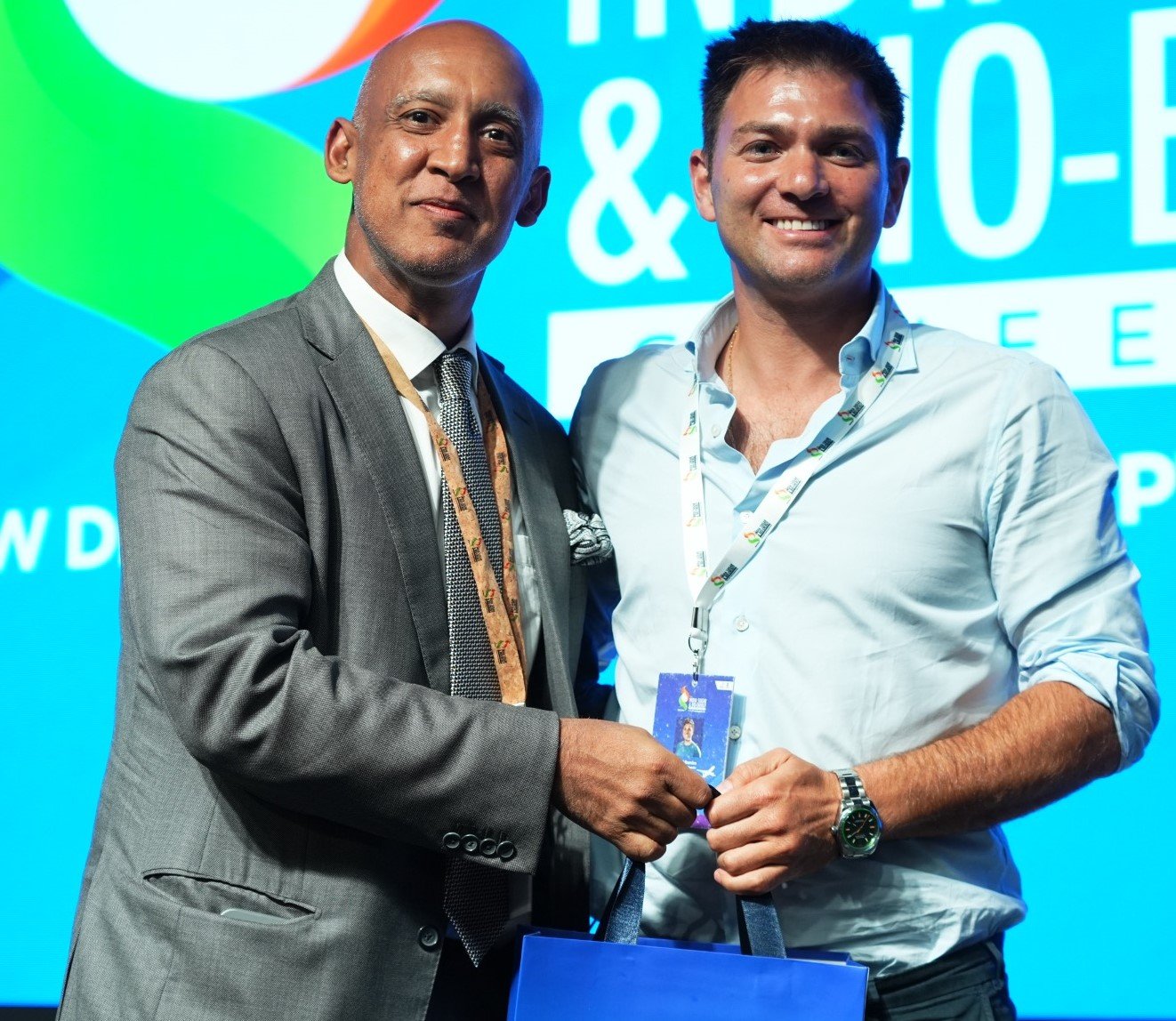
Swiss fermentation company Planetary SA (“planetary” or the “Company”), continental Europe’s only active industrial mycoprotein producer, is exploring a collaboration with leading Indian sugar producer Dhampur Bio Organics Limited to produce mycoprotein in India at industrial scale. If implemented, the collaboration is likely to deliver affordable mycoprotein. The collaboration is subject to execution of definitive documents.
In 2025, planetary commissioned its first-of-a-kind (FOAK) industrial mycoprotein facility, co-located with Schweizer Zucker AG’s sugar beet mill in Aarberg, Switzerland’s, making it continental Europe’s only active industrial mycoprotein producer to serve the European market with B2B mycoprotein ingredients. The potential partnership between planetary and DBO, when implemented, would leverage DBO’s cost competitive sugar production infrastructure and planetary’s proven fermentation platform to deliver affordable mycoprotein to the Indian market.
Dhampur Bio Organics Ltd., carved out in 2022 from the century-old Dhampur Sugar Mills (founded in 1933), is headquartered in New Delhi with manufacturing hubs across Uttar Pradesh. The company operates an integrated sugarcane processing chain spanning refined and pharmaceutical-grade sugar refining, ethanol and bio-fuel production, renewable power co-generation, and branded spirit manufacturing.
Mycoprotein – a Versatile and Sustainable Source of Protein and Fibre
Mycoprotein combines neutral flavour, fibrous texture, and a whole‑food nutritional profile, making it the ideal candidate fora range of both vegetarian and vegan applications as well as clean label hybrid meat applications. Blending beef or chicken with mycoprotein, for example, offers identical culinary experiences at more attractive price points.
From a protein quality perspective, Mycoprotein offers a more complete amino acid profile than any other non-animal protein and indeed scores even higher than any white or red meat as measured by the PDCAAS system (Protein Digestibility Corrected Amino Acid Score).
In addition, mycoprotein has distinct environmental benefits as a fungi-derived protein produced using a very efficient fermentation process. Mycoprotein surpasses conventional meat on several environmental metrics, including lower GHG emissions, water use and land use. Studies show that mycoprotein uses 10 times less water and land compared to traditional meat.
From Switzerland to the World
The Aarberg facility in Switzerland validated planetary’s model of reducing operational costs and capital intensity by co‑locating fermentation activities within sugar mills.
Since commissioning of the Aarberg site, planetary has supplied Aldi Suisse with B2B Libre® mycoprotein ingredients for a nationwide retail rollout at price parity with chicken, demonstrating mycoprotein’s commercial viability as a B2B protein ingredient in Western Europe. Building on its success, planetary’s 2026 product roll-outs will span private-label meat and dairy alternatives as well as hybrid meat applications blending beef or chicken meat with mycoprotein, providing a wide range of healthier, sustainable alternatives to animal-derived protein sources that do not compromise on price or taste.
Despite recent industry setbacks, the alternative market is poised for growth, with Europe’s largest economies Germany, France, Spain and Italy growing share in volume and value according to GFI Europe and Austria growing the plant-based meat category in 2024 by a staggering 24%. This growth is further fuelled by leading retailers such as ALDI, LIDL, Albert Heijn, Carrefour and REWE taking ambitious commitments to increase plant-based product sales
The potential collaboration, when implemented, is likely to build on this momentum., and with this potential collaboration planetary and Dhampur Bio Organics aim to grow India as a strategic emerging mycoprotein production hub for global supply at cost leadership, leveraging the India’s favourable production cost structure and recent policy reforms in sugar valorisation and the bioeconomy.
Production Cost Leadership
The potential collaboration will represent a pathway for scalable, cost-competitive mycoprotein production aligned with India’s sustainability and food security objectives: India’s competitive production environment and recent BioE3 bioeconomy policy (aimed at accelerating development of technologies for bio-based products in India) underpin this strategy. Sugar side streams are abundant, labor costs remain low, and energy can be integrated with sugar mills.
India’s Protein Deficiency and Unique Opportunity
India, the world’s most populous country, faces persistent protein deficiency. A report published by Pew Research (2021) found that 39% of Indians identify as vegetarian and 81% restrict meat consumption in some form. Reuters (2025) reported that approximately 73% of India’s 1.4 billion people remain protein deficient. A study by ICRISAT (2025) found that two‑thirds of rural households consumed insufficient protein, even where availability and affordability were not limiting. Protein intake is dominated by cereals: in Gujarat, cereals account for 40–47% of protein intake, despite representing only 4–5% of household food expenditure. This reliance underscores the gap between cultural dietary practices and adequate nutrition.
The country is exposed to demographic scale with pressing nutritional demand. With 1.4 billion people, the country holds the largest share of vegetarians globally. Yet, surveys show widespread protein inadequacy across all income groups. India also imports significant volumes of plant protein concentrates, reflecting structural supply gaps.
Policy tailwinds: in 2025–26, the Government of India’s BioE3 policy lifted restrictions on sugarcane juice and molasses diversion, opening up pathways such as mycoprotein production from sugar production streams offering 20-30× higher economic value for molasses and other side-streams.
Such policy tailwind was further reinforced in September 2025, when India’s Finance Minister Nirmala Sitharaman announced a major cut in Goods and Services Tax (GST) on plant-based meat and dairy analogues, reducing tax rates from 12–18% down to just 5%. The policy is designed to stimulate domestic consumption, reduce the impact of trade tariffs, and make plant-based foods more affordable and accessible in support of public health goals. This policy shift places alternative proteins on a level playing field with animal-derived proteins, signaling government recognition of their role in nutrition security and sustainable growth.
Together, these supply and demand-side dynamics create a uniquely favorable environment for scaling industrial mycoprotein in India, making it both economically viable and socially impactful.
Furthermore, India is rapidly growing as a competitive global manufacturing base. According to the IMF, India is poised to surpass Japan as the world’s 4th largest economy and is on track to rise to the 3rd in the next 3 years. This growth is fueled by India’s strong industrial activity and global supply chain diversification, positioning India as a highly attractive hub for building biomanufacturing capacity.
Outlook
The potential partnership, when implemented would mark the first step in planetary’s global capacity expansion strategy beyond Europe, by licensing its WIPO global innovation award-winning BioBlocks™ fermentation platform. The Company will also be applying its modular fermentation for adjacent categories, including precision‑fermented ingredients, bio-based cosmetics and sustainable plastics. By leveraging sugar co‑location and side‑stream valorisation, planetary aims to drive a wave of bioindustrial transformation across the globe, while delivering impact locally.
Gautam Goel, Managing Director of Dhampur Bio Organics, stated: “This proposed collaboration, as outlined in a non-binding term sheet, is anticipated to become an important pillar of our future sugar side-stream valorisation strategy. Subject to final agreements and regulatory approvals, we expect this partnership to enable DBO to both export raw Mycoprotein and introduce India-market applications such as mycoprotein-based protein fortification solutions and myco-tikka masala.”
planetary’s co‑founder David Brandes added: “By producing mycoprotein in India for the world, planetary and DBO seek not only to have a positive effect on the nutritional whole-food composition of diets but to also aim to offer this diet to consumers around the world at the lowest possible price point, tapping into a $1.3 trillion meat market.”