
Inside BENEO’s new pulse plant: pioneering sustainable protein from faba beans
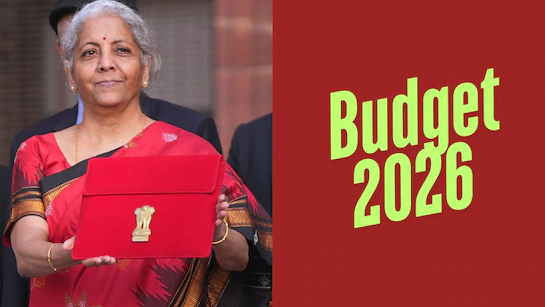
Experts see Budget 2026-27 as a positive move for the food industry
As Finance Minister Nirmala Sitharaman presented the Union Budget 2026–27, it became evident that India’s agri-food ecosystem is entering a new phase of structural transformation. From strengthening fisheries and livestock value chains to promoting high-value crops and tightening quality standards in food and nutraceuticals, the Budget signals a holistic strategy to future-proof India’s food economy.
Among the key announcements, the Budget proposes the integrated development of 500 reservoirs and Amrit Sarovars to strengthen the coastal fisheries value chain, along with raising the duty-free import limit for seafood processing inputs from 1 per cent to 3 per cent. Sitharaman also highlighted high-value crops as a cornerstone of India’s agricultural strategy, with coconut emerging as a focal point.
At the fiscal level, the government is expected to maintain the combined food and fertiliser subsidy at around Rs 3.98 lakh crore in FY27, signalling continued fiscal discipline while sustaining support for farmers and vulnerable households.
High-Value Crops and Rural Prosperity: A Strategic Pivot
The renewed emphasis on high-value agriculture is being widely seen as a game-changer for India’s farm economy.
Debarshi Dutta, Co-Founder and CEO, Ayekart, says that the focus on crops such as coconut, cocoa, cashew, sandalwood and horticulture opens meaningful opportunities to diversify cropping patterns and strengthen farm incomes. He adds that when combined with aggregation, post-harvest support and better price discovery, these measures can deliver measurable gains in rural livelihoods.
According to Shashi Kant Singh, Partner, Agriculture, Food – Agribusiness, PwC India, Budget 2026–27 underscores India’s commitment to agricultural innovation, improving export competitiveness and promoting women’s empowerment in agriculture, key pillars of the Viksit Bharat strategy. He notes that targeted support for high-value crops, along with special incentives for fisheries and dairy, is aimed at augmenting farm incomes while strengthening India’s global agricultural competitiveness and boosting exports.
Rajnish Kumar, Lead – Agriculture and Food Systems, MicroSave Consulting, describes the Budget as a decisive shift toward productivity-led agricultural growth. He highlights the emphasis on integrated fisheries and livestock value chains, development of reservoirs and Amrit Sarovar lakes, and AI-enabled productivity through Bharat Vistaar with AgriStack–ICAR integration. However, he cautions that the real test will lie in rapid execution and demonstrable gains in productivity and farm incomes.
Dr Prithwi Singh, CEO and Co-Founder, Khetika, believes the Budget sends a strong and timely signal by placing farmers at the centre of India’s growth agenda. He points to investments across reservoirs, fisheries, animal husbandry and high-value crops as evidence of a long-term, structural approach to agriculture.
Agriculture Meets FMCG: Strengthening the Value Chain
The Budget also strengthens the critical linkage between agriculture and the FMCG sector, creating a more integrated value chain from farm to consumer.
Rajiv Kumar, Vice Chairman, DS Group, says the Budget strikes a balance between fiscal stability and aggressive growth, positioning India for a resilient economic future. For the FMCG sector, he notes that the Viksit Bharat agenda synchronises demand- and supply-side enablers. He highlights that interventions in cocoa production, fisheries and animal husbandry are poised to boost rural incomes, while expansion of TReDS and improved credit access will alleviate working capital pressures for distributors and contract manufacturers.
Abhay Parnerkar, CEO, Godrej Foods Ltd, says the Union Budget 2026 reflects a strong and welcome focus on strengthening India’s agri and animal husbandry ecosystem. He points to the government’s push towards credit-linked support for animal husbandry, development of farmer producer organisations and integrated approaches to improving farmer incomes as critical steps towards building resilient, future-ready food value chains. Highlighting the importance of farm-to-fork models, he notes that deep partnerships with farmers are central to quality, traceability and consumer trust. According to him, continued investment in agricultural infrastructure, innovation and manufacturing capabilities will empower farmers and enable food brands to deliver safe, nutritious and responsibly produced food, signalling a positive step towards a more sustainable and inclusive food economy.
Sanjay Singal, CEO, Wagh Bakri Tea Group, observes that the Budget strengthens the linkage between agriculture and FMCG through farmer-centric initiatives, infrastructure investments and technology adoption. He adds that measures aimed at improving farm productivity, reducing risk and enhancing market access will benefit plantation crops such as tea, while investments in logistics and Bharat-VISTAAR are expected to improve supply chain efficiency and export competitiveness.
Bipin Hadvani, Founder, Gopal Snacks, describes Budget 2026–27 as a balanced approach to agriculture, food processing and consumption-led growth, with enhanced infrastructure and logistics expected to reduce costs and improve market access, while the emphasis on rural entrepreneurship and women-led enterprises will support demand creation in semi-urban and rural markets.
Adding a health-focused FMCG perspective, Siddharth Runwal, Founder, Provilac, says the Budget presents a positive direction for the FMCG sector by strengthening domestic manufacturing, improving logistics and supporting MSMEs across the value chain. He notes that the focus on agricultural productivity and rural infrastructure will stabilise raw material sourcing while improving market access beyond metro cities. According to him, measures aimed at ease of doing business and faster compliance create a more predictable operating environment, which is critical for scaling consumer brands sustainably. For health-focused FMCG players, the emphasis on growth, employment and consumption-led development aligns with rising demand for everyday nutrition solutions, while a stable macro outlook and supply-side reforms will allow brands to invest more confidently in innovation, quality and distribution. Overall, he believes the Budget reinforces confidence in India’s FMCG growth story driven by affordability, access and aspiration.
Manufacturing, MSMEs and Food Processing: Building Scale and Resilience
For food processing and beverages, the Budget’s manufacturing-first narrative offers a strong growth impulse.
Paritosh Ladhani, Joint Managing Director, SLMG Beverages, says the Union Budget 2026 reinforces a manufacturing-first, ‘Make in India’ approach that is encouraging for companies invested in domestic production and local supply chains. He highlights that the increase in capital expenditure to Rs 12.2 lakh crore will directly benefit beverage manufacturers by improving logistics efficiency, distribution reach and last-mile connectivity. The focus on localisation across bottling, packaging and allied inputs supports cost stability and resilience, while sustained MSME support remains critical for the vendor and transport ecosystem. Although there were no direct tax incentives for non-alcoholic beverages, he believes the broader pro-manufacturing and pro-consumption environment and ongoing GST rationalisation discussions provide a positive foundation for long-term growth.
Sanket S, Founder, Scandalous Foods, points out that the Budget brings practical positives for the frozen food and manufacturing sector. He highlights the focus on cold chain infrastructure and reducing post-harvest wastage, along with the Rs 10,000 crore SME Growth Fund, as key enablers for scaling distribution while maintaining quality. He also notes that doubling the startup credit guarantee limit to Rs 20 crore and strengthening invoice discounting through TReDS will ease capex expansion and cash flow challenges. Additionally, he describes the Budget as balanced, citing measures such as the NIMHANS 2.0 initiative and changes in rental TDS thresholds as supportive of both business growth and people.
Adding a food processing and export perspective, Mr. Haresh Karamchandani, MD and Group CEO, HyFun Foods, says the Union Budget 2026–27 emphasises strengthening India’s logistics base and enhancing export competitiveness through initiatives such as national waterways, dedicated freight corridors and coastal cargo movement. He explains that the food processing and frozen food sector requires faster and more predictable movement of products, improved port connectivity and resilient cold chains to support export growth and reduce wastage. He also highlights the role of technology-led governance and AI-enabled systems across the agri value chain in enabling processors to work more closely with farmers through greater consistency, traceability and crop planning. According to him, continued investment in integrated infrastructure—from farms and cold storage to transport corridors and seaports—will be critical to realising India’s potential as a global hub for processed and frozen food exports.
From the dairy sector, Heritage Foods Executive Director Brahmani Nara calls the Budget a watershed moment for India’s dairy and livestock sectors. She says the Budget reflects strategic priorities highlighted in the company’s pre-budget expectations and goes beyond numbers to focus on empowering dairy farmers, strengthening rural resilience and promoting sustainable, inclusive growth.
Nutraceuticals and Biopharma: From Scale to Science
Beyond conventional food categories, Budget 2026–27 also reshapes India’s nutraceutical and biopharma landscape.
Suresh Garg, Founder and CMD, Zeon Lifesciences, explains that the Biopharma SHAKTI initiative strengthens research and manufacturing ecosystems, supporting nutraceutical innovation in fermentation, proteins and bio-active ingredients. He highlights that allowing SEZ units to sell more easily in the domestic market improves cash flow for export-focused manufacturers, while the focus on high-value agriculture and better animal husbandry ensures reliable nutraceutical-grade raw materials such as collagen and whey. Plug-and-play chemical parks, he adds, will help local production of vitamins, minerals and amino acids, reducing import dependence and improving cost stability and supply security. At the same time, he cautions that tighter labelling, testing and traceability will require greater discipline from manufacturers, making batch consistency and raw-material traceability more critical than ever.
Yashna Garg, Founder, Yugap Wellness, believes that for wellness and nutrition brands, the push for Indian manufacturing, better testing and higher quality standards will reduce dependence on imports and help control costs. She also emphasises that brands with clean products, clear FSSAI classification and strong scientific backing are likely to grow faster.
Dr. Arunkanth Krishnakumar, Co-founder and CEO, Zeus Hygia Lifesciences, says the Union Budget 2026–27 signals a strong healthcare and wellness-centric outlook, aligning with the growing global focus on India across these segments. He notes that the 20% increase in allocation for the AYUSH Ministry will significantly strengthen traditional and integrative healthcare systems, while the establishment of three new All India Institutes for Ayurveda and the expansion of NIPER institutes will help nurture specialised talent and build a skilled workforce critical for the future of healthcare.
He further highlights that the initiative to set up 1,000 accredited clinical trial sites nationwide is particularly encouraging, as it will strengthen high-quality research, evidence generation and innovation across healthcare and the nutraceutical space. Additionally, he describes the ₹10,000 crore SME growth fund as a timely catalyst for MSMEs, enabling them to scale operations, invest in R&D and move into the next phase of growth.
Arjun Anjaria, Founder and CEO, Unbox Health, says the Budget reinforces the growing recognition that food safety and nutrition are central to long-term public health and economic productivity. He argues that stronger labelling standards, wider access to accredited testing and consistent enforcement can help ensure that label claims reflect product reality. He adds that platforms like Unbox Health complement this effort by independently testing products and publishing lab-backed ratings, helping consumers navigate complexity while encouraging brands to meet higher standards of transparency and compliance.
Mr. Sanjaya Mariwala, Executive Chairman and Managing Director, OmniActive Health Technologies, says the Budget approaches healthcare not as charity but as an economic responsibility and shared Kartavya. He highlights the intent to expand hospital infrastructure and increase bed capacity, stressing that success will depend on incentivising doctors and encouraging corporate partnerships in healthcare. He also notes that the push on AYUSH and Ayurveda is timely but must be backed by proof, quality and consistency. According to him, support for seeds, food processing, MSMEs and R&D provides a foundation for the nutraceutical sector, while the industry’s responsibility will be to convert science and tradition into trusted, affordable products with transparent claims and accessibility.
AYUSH and Traditional Wellness: Institutionalising Growth
The Budget’s emphasis on the AYUSH sector further reflects India’s ambition to formalise and scale traditional wellness industries, positioning traditional systems of medicine within a more structured, science-driven and globally competitive framework.
Shafiulla Hirehal Nuruddin, Founder and MD, Greenspace Herbs, welcomes the strong emphasis on AYUSH, stating that Ayurveda is no longer just a traditional practice but a rapidly rising sector deserving national support. He highlights the proposal to establish three new All India Institutes of Ayurveda and improve AYUSH pharmacies and drug testing facilities as critical measures to build certification standards and skilled manpower.
Amit Srivastava, Founder and Chief Catalyst of Nutrify Today, adds that while nutraceuticals did not receive headline tax relief, the deeper enablers—biopharma-led R&D, AYUSH institutional strengthening, trade facilitation, and manufacturing incentives—create a structurally positive runway for the sector.
The Big Picture: Execution Will Define Outcomes
Across sectors, from agriculture and FMCG to nutraceuticals, beverages and Ayurveda, industry leaders broadly agree that Union Budget 2026–27 lays a comprehensive foundation for India’s next phase of food industry growth.
What emerges clearly is a shift from volume-driven expansion to value-driven competitiveness. By aligning farmer incomes, manufacturing capacity, quality standards and consumer trust, the Budget positions India’s food industry to move up the global value chain.
Yet, as several experts emphasise, policy intent must translate into execution. The speed and effectiveness of implementation will determine whether Budget 2026–27 becomes merely a policy document or a transformative moment for India’s food ecosystem.
If implemented effectively, the Budget could mark the beginning of a new era, where India’s food industry is not only larger, but smarter, safer and globally competitive.
Sanjiv Das (sanjiv.das@mmactiv.com)
Mansi Jamsudkar Padvekar (mansi.jamsudkar@mmactiv.com)