
Inside BENEO’s new pulse plant: pioneering sustainable protein from faba beans
Orthopedic specialists from Sri Ramakrishna Hospital share medical insights, warning signs, and practical lifestyle advice to help people protect their spine and joints
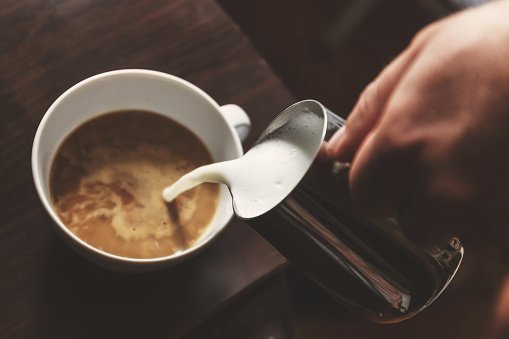
Orthopedic specialists from Sri Ramakrishna Hospital highlight how caffeine can affect bone health, muscle tension, and inflammation when consumed immediately after food. The hospital’s experts share medical insights, warning signs, and practical lifestyle advice to help people protect their spine and joints.
Orthopedic experts explain that tea and coffee contain compounds such as caffeine and tannins, which can interfere with the absorption of essential minerals when consumed immediately after meals.
Calcium absorption: Calcium is vital for bone strength and spinal stability. Regular interference in absorption may weaken bones over time.
Iron absorption: Poor iron levels can lead to muscle fatigue and reduced oxygen supply to tissues, worsening pain and stiffness.
Magnesium balance: Magnesium plays a role in muscle relaxation and nerve function. Reduced levels may increase muscle tightness and spasms.
Over months or years, these nutritional imbalances can contribute to reduced bone density and muscular discomfort, especially in the neck and lower back.
Experts also highlight the behavioral aspect linked to tea and coffee consumption. Many people drink tea or coffee after meals while sitting for long periods—often in slouched or unsupported postures, especially during work hours.