
Inside BENEO’s new pulse plant: pioneering sustainable protein from faba beans
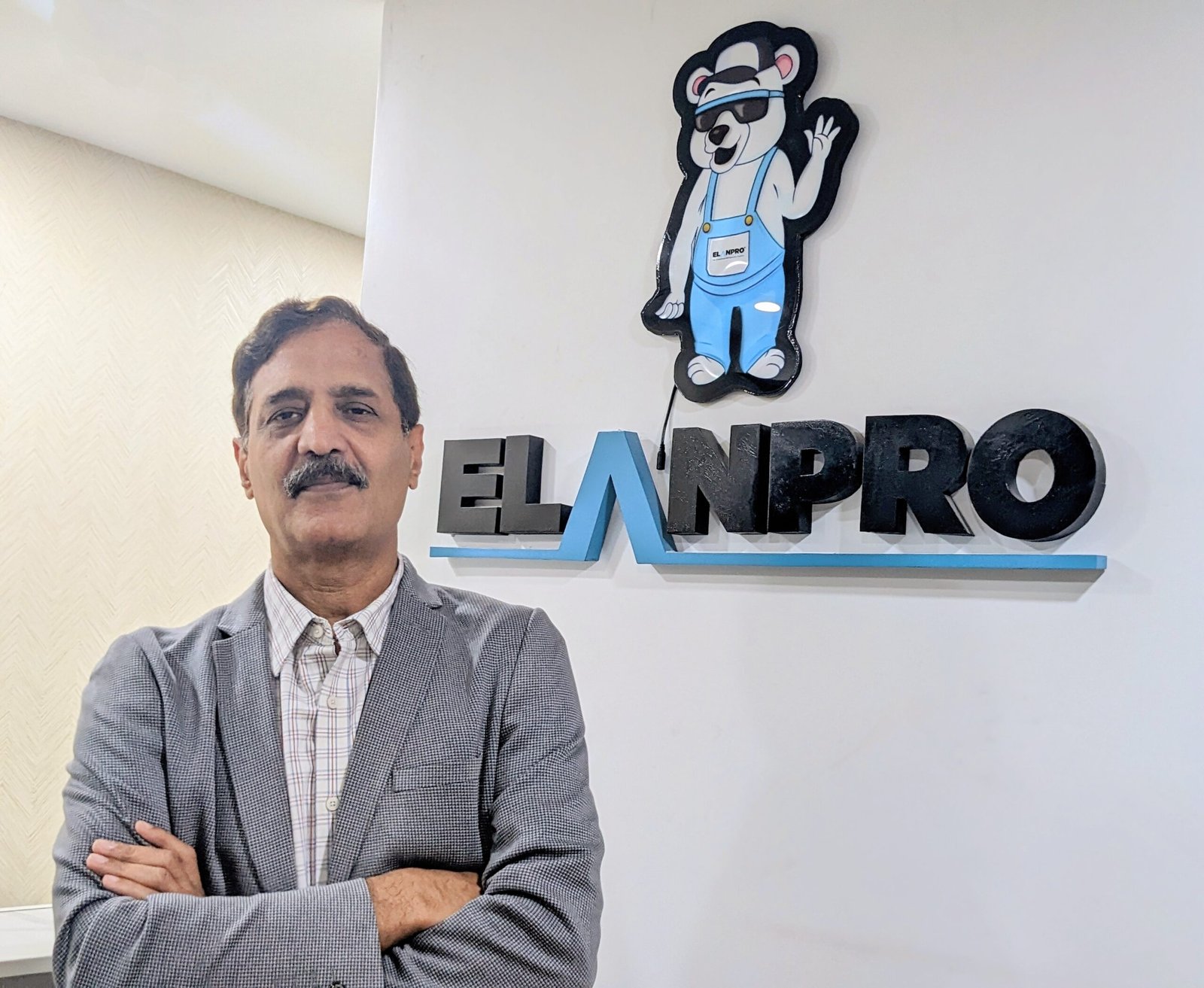
Sanjay Jain, Director, Elanpro
As India’s ice cream and frozen dessert market becomes increasingly competitive, the role of refrigeration equipment is evolving beyond storage to become a critical tool for visibility, branding and operational efficiency. From impulse-driven merchandising at retail counters to energy-intensive operations in Quick Service Restaurant (QSRs) and modern trade, freezer performance now directly influences sales, wastage and profitability. In an interview with NUFFOODS Spectrum, Sanjay Jain, Director, Elanpro, shares how changing brand expectations, rising energy costs and on-ground operational challenges are reshaping freezer design and innovation, along with how Elanpro’s expanded glass-top and vertical freezer range is responding to the industry’s next phase of growth. Edited excerpts;
How is the demand for branded visibility impacting equipment choices for the ice cream and frozen dessert category in India? What trends are you seeing?
We are seeing a very clear shift in how ice cream and frozen dessert brands approach equipment selection today. Visibility has become a primary driver of purchase decisions. Retailers are increasingly moving away from solid-lid chest freezers and opting for glass-top chests, upright glass-door merchandisers, and island displays because they allow constant product exposure and stronger brand recall at the point of sale.
At the same time, brands are paying far more attention to how the unit itself communicates their identity. Features like internal LED lighting, illuminated canopies, and full-panel decals are becoming standard requirements because they enhance both visibility and premium perception. We are also seeing a rise in demand for specialised counters in the artisanal and premium gelato segment. Curved-glass scooping cabinets and designer display counters help brands signal craftsmanship and justify higher price points, which is crucial as this category continues to grow.
How do you see innovation evolving in the freezer category as competition intensifies?
We are already seeing the market evolve beyond price-led decision making. The focus is shifting toward quality and features, with temperature management and electricity consumption emerging as the two most critical parameters. Both factors have a tremendous impact on product performance as well as operational costs, and moreover, they directly shape the long-term ownership experience.
In the next phase of growth, freezer innovation in India will be defined by precision cooling, higher energy efficiency, and stronger reliability. Additionally, as competition intensifies, buyers will increasingly reward brands that offer superior temperature stability, lower power bills, and a consistently dependable experience throughout the product’s lifecycle. This is where the real differentiation will happen.
What gaps in the market does this expanded range aim to fill—particularly for small parlours, QSRs, or modern trade outlets?
Our expanded glass top freezer range fills several long-standing gaps that small parlours, QSRs, and modern trade outlets face in the ice cream and frozen dessert category. Small parlours often struggle with limited display space and inconsistent temperature performance, which affects product texture and customer experience. The new range addresses these gaps through precise temperature control, dual condenser technology, and 70 mm insulation that ensures better temperature retention and energy efficiency, even in high ambient conditions.
For QSRs and smaller formats, space utilisation and speed of operations are key challenges. The internal configuration of the new freezers is designed to accommodate three layers of standard 6×6-inch bulk ice cream packs, enabling organised SKU placement and faster access without compromising display. This helps outlets maintain neat, high-visibility product arrangements within compact layouts.
In modern trade, the biggest gaps relate to visibility, merchandising, and durability in high-footfall environments. The combination of flat and curved glass variants supports both functional and premium display needs. Curved glass models with heated door frames eliminate condensation in humid conditions, ensuring uninterrupted visibility. The in-built drain system further reduces maintenance interruptions, allowing consistent display throughout long operating hours.
Overall, the expanded range fills the need for reliable cooling, better visibility, and smarter configuration across diverse retail formats, helping operators reduce wastage, improve customer engagement, and maintain efficient day-to-day operations.
What are the key performance metrics that ice cream brands today expect from freezers—and how does your new range address them?
As far as I understand, ice cream brands today evaluate freezers on three key performance metrics: temperature consistency, energy efficiency, and display clarity. They need equipment that can hold stable low temperatures throughout long operating hours, maintain product integrity during peak footfall, and minimise fluctuations that affect texture or lead to wastage.
Our new glass top range is exactly designed around these expectations. The upgraded cooling system ensures a fast pull-down of up to -30°C, helping ice creams stay scoopable and uniform. The combination of dual condenser technology and enhanced insulation improves overall efficiency, supporting lower running costs over extended use.
Visibility is the other critical metric. Clear, condensation-free glass is essential for impulse-driven categories like ice cream. That’s why our curved glass variants feature heated door frames that ensure uninterrupted visibility even in humid conditions, which strengthens merchandising and customer engagement. By strengthening cooling performance, efficiency, and product display, the new range aligns with the exact performance standards that leading ice cream brands prioritise today.
How have customer pain points such as frosting, high energy bills, or temperature fluctuations shaped this expansion?
Customer pain points like frosting, rising energy costs, and inconsistent temperatures have directly influenced the design of the all new Elanpro Vertical freezer range. We often got feedback from operators on issues such as product softening during peak hours, higher wastage, and frequent maintenance because their freezers cannot cope with heat load or long operating cycles. These insights guided the development of better insulation, a more efficient cooling system, and features that maintain steady low temperatures without overconsumption of power.
Frosting and visibility loss were also major concerns, especially in humid regions. This led to the addition of heated door frames in the vertical glass models, which prevent condensation and keep the display clear without constant manual cleaning. By strengthening temperature stability, improving energy performance, and integrating visibility enhancing features, the new range directly responds to real operational challenges faced across parlours, QSRs, and retail formats.
What sales growth or market share targets have you set with this new line?
We intend to grow at 25-30 per cent over a period of next five years capturing a minimum 8-10 per cent market share.
How has the current supply chain scenario for refrigeration components influenced your production planning?
We are focusing on backward integration to move away from imports, which is also the government of India focus and will help us optimise the cost and have better inventory management.
Are you offering display or merchandising partnerships with ice cream brands to maximise freezer utilisation?
At the moment, we do not offer a co-promotion model. However, we are actively engaged in front-of-showcase partnerships with leading brands such as Walls, Arun, Amul, Vadilal, Baskin Robbins and others.
What further innovations can the industry expect from Elanpro in the next 2–3 years—especially for the frozen dessert segment?
Across temperature precision, energy efficiency, smart connectivity, and visual merchandising, our objective remains consistent which is to enable frozen dessert brands to deliver a superior product and a more profitable, reliable store experience. Over the next two to three years, customers can expect Elanpro to set new benchmarks in freezer performance and category innovation.
Please complete the prompt -“In 2026, food innovation will mean…”. (Cold chain centric response is expected)
In 2026, food innovation will mean reimagining the cold chain not just as a logistics requirement, but as a technology ecosystem that blends temperature precision, energy efficiency, real-time monitoring, and sustainability. The winners will be the ones who deliver uncompromised product integrity from factory to fork.
Mansi Jamsudkar Padvekar
mansi.jamsudkar@mmactiv.com