
Inside BENEO’s new pulse plant: pioneering sustainable protein from faba beans
The extensive study by LocalCircles gathered over 2,07,000 responses from consumers across the top 25 metro and urban districts in India
Country Delight has commissioned a nationwide study with LocalCircles, India’s largest community and consumer pulse platform, to understand urban India’s protein awareness and consumption patterns. The extensive study gathered over 2,07,000 responses from consumers across the top 25 metro and urban districts in India, making it one of the most comprehensive surveys on the subject. The findings highlight an urgent need to improve protein literacy and access to affordable protein sources among Indian consumers.
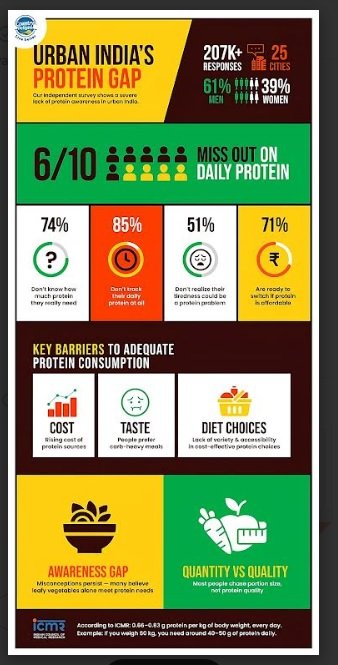
The survey found that 6 out of 10 urban Indians surveyed are not consuming protein-rich foods daily, while only 4 in 10 urban Indians (out of the total 18,352 respondents) include protein-rich foods like lentils, eggs, milk, paneer, fish, or nuts in their everyday meals. This gap shows that despite rising health consciousness, protein still doesn’t have a consistent place in most Indian diets. In addition, nearly three-fourths of respondents could not correctly identify the daily protein requirement for an average adult (the ICMR recommends average daily protein consumption of 0.66 to 0.83 grams per kilogram of body weight for healthy Indian adults). The data points to a significant knowledge gap even among health-aware urban consumers.
Around 85 per cent (out of the total 19,580 respondents) reported not keeping any record or estimate of their daily protein intake. This lack of monitoring suggests that even when consumers eat what they believe to be a “balanced” diet, they may be missing key nutrients without realizing it. In addition, half of all urban Indians surveyed are unaware of the role protein plays in supporting muscle strength, immune function, and energy levels. 50 per cent of the urban Indian population don’t associate common symptoms like tiredness, hair fall, or low immunity with inadequate protein intake. This shows that awareness campaigns about the long-term impact of protein deficiency are still needed.
Affordability emerged as the top reason for reduced protein intake, followed closely by taste preferences and dietary restrictions. Many vegetarians also avoid certain protein-rich foods due to cultural choices, further limiting options. However, most respondents confirmed that availability isn’t the issue; protein-rich foods are present in local markets and stores. The challenge lies more in affordability and awareness rather than access. Of the total participants, 61 per cent were men and 39 per cent women, representing a diverse urban demographic.
Dr Vishakha Shivdasani, a physician practicing disease reversal or lifestyle diseases, said, “India is a protein-deficient nation, and this deficiency can contribute to muscle loss, poor immunity, metabolic dysfunction and declining cognitive health across all age groups. Protein is not a body-building nutrient or a fitness fad. It is a foundational requirement for daily health, disease prevention, and healthy ageing. Prioritizing protein in the Indian context will help with long-term wellness and resilience.”
Chakradhar Gade, CEO and Co-founder, Country Delight, added, “Country Delight’s vision is to help India live better, every product we create begins with a deep understanding of what consumers need. This study has reinforced that affordability, awareness, and convenience are key barriers when it comes to protein consumption. Keeping these in mind, we are introducing a range of high-protein essentials — from milk, dahi, and paneer to bread, batter, eggs, atta, and more — ensuring every Indian gets their required natural protein through simple, everyday foods.”