Inside BENEO’s new pulse plant: pioneering sustainable protein from faba beans

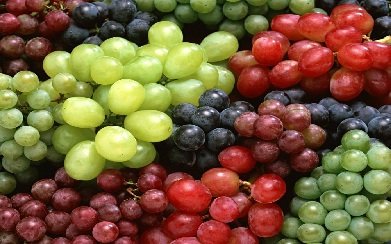
A study published in Nutrition and Cancer shows that the most active component of grape seed extract B2G2 may induce the cell death known as apoptosis in prostate cancer cells while leaving healthy cells unharmed.“We’ve

A study published in the American Journal of Public Health shows that 36.4% of consumers read calorie information at restaurants, but that those who do read it use the information.The researchers conducted a cross-sectional analysis

Recent study led researchers at University of Kentucky suggests that low amounts of vitamin D in body may be dangerous for brain.The study shows that in addition to being essential for maintaining bone health, vitamin
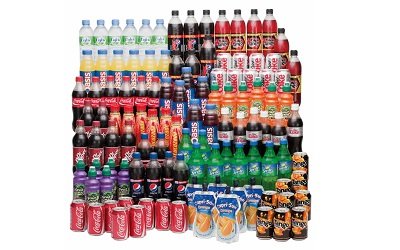
A study published in Cancer Epidemiology, Biomarkers & Prevention shows that postmenopausal women who consumed sugar-sweetened beverages may be more likely to develop the most common type of endometrial cancer compared with women who did

Consuming modified version of a common human dietary supplement may help cure stunting and cognitive delays in children which is said to be caused by a family intestinal worms, scientists at the University of California,

The caffeine in a cup of coffee might help your small blood vessels work better, according to research presented at the American Heart Association’s Scientific Sessions 2013.A study of 27 healthy adults showed for the

While Americans generally consume enough protein, they tend to eat a small amount at breakfast, moderate amount at lunch, and the largest amount at dinner. New research presented at The Obesity Society’s annual scientific meeting

New research has uncovered an under-utilised berry that could be the new super fruit, the buffaloberry. A new study in the Journal of Food Science, published by the Institute of Food Technologists (IFT), found that

Berries such as blueberry, blackberry, and raspberry; possess several biological activities including antimicrobial and nutritional effects. A study published in Food Control shows that blackberry juice may be used as a preservative in food processing

A new research presented at US-based The Obesity Society’s annual scientific meeting in Atlanta, USA shows that eating high protein breakfasts can curb hunger throughout the morning, helps reduce obesity by reducing tendency to overeat.