
Inside BENEO’s new pulse plant: pioneering sustainable protein from faba beans
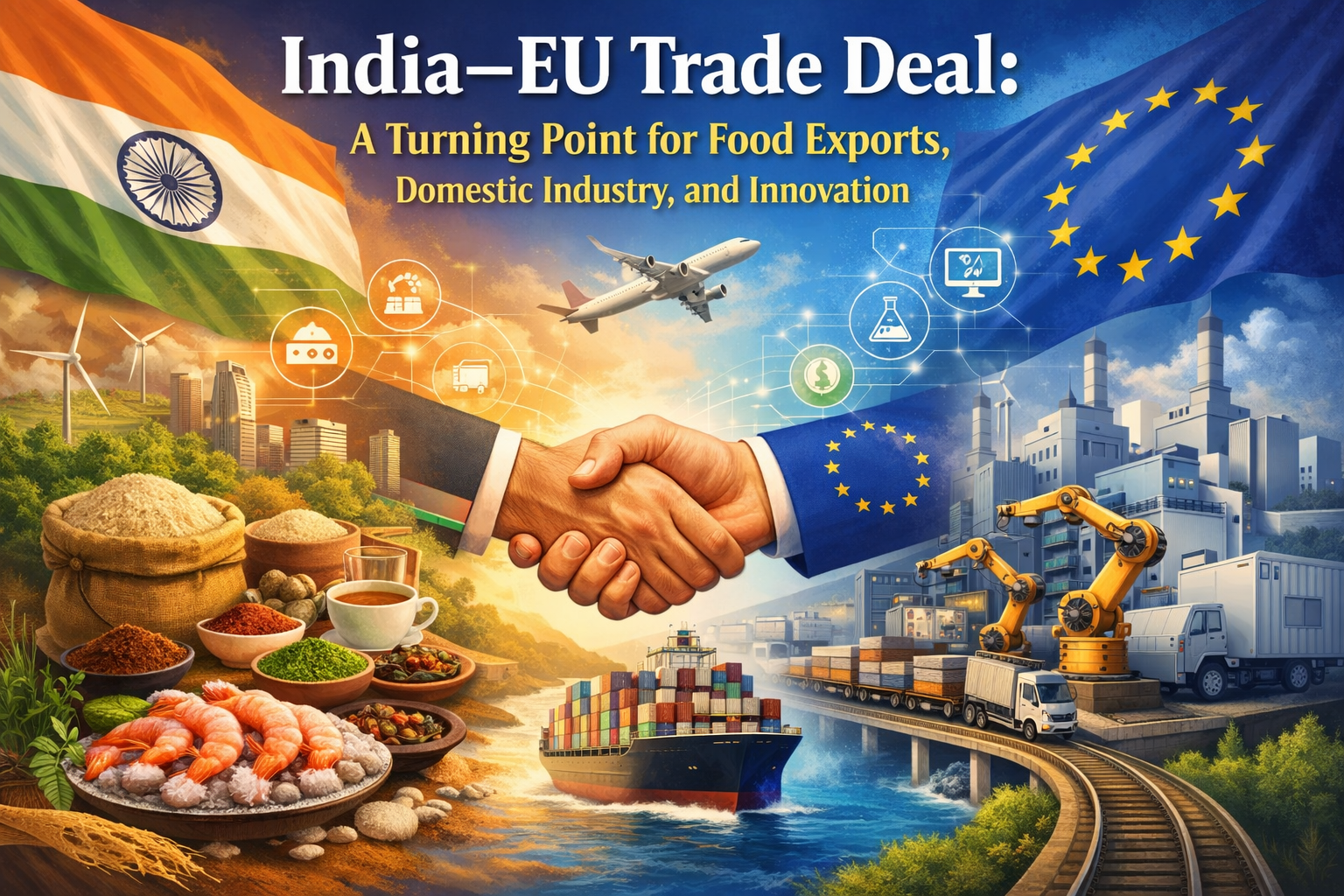
After nearly two decades of negotiations, India and the European Union have announced a landmark trade agreement that could reshape the trajectory of India’s agri-food exports and food processing sector. Beyond its geopolitical symbolism, the pact holds tangible implications for exporters, domestic producers, supply chains, and innovation in food manufacturing. As tariffs are reduced and market access expands, the Indian food and beverage (F&B) industry stands at a critical inflection point, one that promises unprecedented opportunities but also exposes structural vulnerabilities.
Quantifying Export Opportunities Across Key Food Categories
The European Union is already India’s largest trading partner in goods, with bilateral trade reaching approximately USD 136 billion in 2024–25. However, India’s agri-food exports to the EU have historically faced tariff and non-tariff barriers, limiting their growth potential. The new agreement, which offers preferential access for a wide range of Indian exports, could significantly alter this equation.
Spices, Tea, and Coffee: Scaling Traditional Strengths
India is the world’s largest exporter of spices, with exports valued at over $4 billion annually. Europe accounts for a substantial share of this demand, particularly for pepper, turmeric, chilli, and value-added spice blends. Reduced tariffs and simplified regulatory pathways could help Indian exporters expand their footprint in high-value European markets, especially in premium and organic segments.
Similarly, tea and coffee exports are poised to benefit from improved market access. The EU is one of the largest importers of Indian tea and coffee, but price competitiveness has often been constrained by tariffs and compliance costs. With lower duties, Indian producers could enhance their presence in specialty and sustainable product categories, where European consumers are willing to pay a premium.
Marine Products: High Growth, High Sensitivity
Marine products, particularly shrimp, represent one of India’s most lucrative agri-export segments, with exports exceeding USD 7 billion annually. Europe is a key destination, but Indian exporters have struggled with anti-dumping duties, stringent quality standards, and fluctuating tariffs.
The trade deal’s promise of preferential access could unlock significant growth potential. Industry estimates suggest that even a 5–10 per cent reduction in trade barriers could translate into hundreds of millions of dollars in additional export revenues. However, this segment also highlights the vulnerability of Indian exporters to regulatory shifts and global trade politics.
Processed Foods: The Emerging Frontier
Perhaps the most transformative impact of the deal lies in processed foods, ready-to-eat meals, snacks, bakery products, nutraceuticals, and functional foods. Europe represents a high-value market where demand for ethnic foods, plant-based products, and health-oriented offerings is rising rapidly.
For Indian food processors, tariff reductions could make exports economically viable at scale. If leveraged effectively, the agreement could accelerate India’s transition from a commodity-driven exporter to a value-added food supplier. Over the next five to ten years, processed food exports to the EU could emerge as one of the fastest-growing segments in India’s agri-trade portfolio.
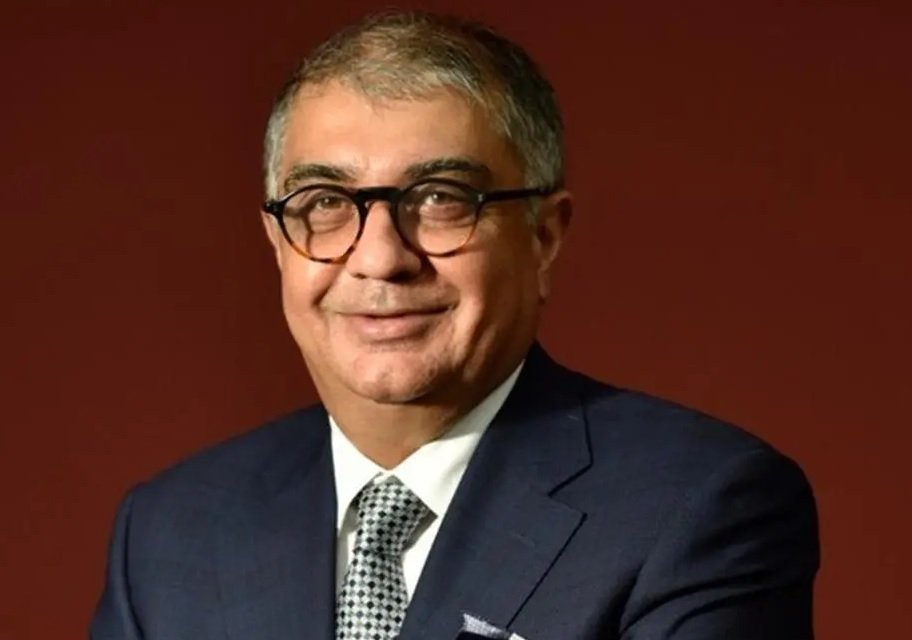
Highlighting this shift, Sanjaya Mariwala, Executive Chairman and Managing Director of OmniActive Health Technologies Ltd., noted, “The value of the India–EU trade deal extends far beyond headline tariff reductions. For those of us in preventive healthcare, the gains from this deal go far beyond export volumes. Europe’s regulatory depth and science-led approach will facilitate stronger clinical validation, better traceability, and higher compliance standards in India. That discipline will ultimately build consumer trust in nutraceuticals, not only in Europe but across the globe. At the same time, Europe’s ageing population and focus on wellness align naturally with India’s ayurveda knowledge, strengths in nutrition science, and cost-efficient advanced manufacturing. This is how India moves from being a supplier to becoming a global health partner.”
Risks to Domestic Producers and Small Exporters
While the export narrative appears promising, the trade deal also raises critical concerns about domestic industry resilience and inclusivity.
Competition from European Imports
One of the most immediate risks stems from reduced tariffs on European imports into India. The agreement is expected to lower duties on a range of products, including agricultural inputs, processed foods, and machinery. While this could benefit Indian manufacturers through cheaper inputs, it may also intensify competition from European food brands known for quality, branding, and technological sophistication.
For domestic producers—especially small and medium enterprises—this could translate into margin pressures and market share erosion. Segments such as premium dairy products, confectionery, bakery, and specialty foods may witness increased penetration by European players.
The MSME Challenge
India’s agri-export ecosystem is heavily dependent on micro, small, and medium enterprises (MSMEs). These players often lack the financial resources, technological capabilities, and regulatory expertise required to comply with stringent European standards on food safety, traceability, and sustainability.
While large exporters are well-positioned to capitalize on the trade deal, smaller players risk being left behind. The cost of certification, compliance, and logistics could offset the benefits of tariff reductions, creating an uneven playing field within the Indian export sector.
Safeguarding Sensitive Sectors
Recognizing these risks, India has prudently safeguarded sensitive sectors such as dairy, cereals, poultry, soy meal, and certain fruits and vegetables. This reflects a strategic balancing act between export ambitions and domestic food security.
However, the long-term implications remain complex. Overprotection could limit innovation and competitiveness, while excessive liberalization could destabilize domestic markets. The success of the trade deal will therefore depend on how effectively India manages this delicate equilibrium.
Implications for Supply Chains, Investment, and Innovation
Beyond trade volumes, the India–EU agreement could catalyze structural transformation across India’s food supply chains.

Arun Om Lal, Industry Chair Prof. NIFTEM, Kundli says, “The India–EU trade agreement represents a watershed moment for the Indian agri-food sector, promising not only expanded market access but a structural transformation of how food is processed, moved, and commercialised across value chains. Beyond tariff liberalisation, the agreement creates pathways for infrastructure modernisation, foreign investment inflows, and deeper integration of India into global food value chains.”
He further adds, “For policymakers, the central question is not whether trade volumes will rise, but whether India can leverage this agreement to accelerate value addition, reduce systemic inefficiencies, and position itself as a global food manufacturing and export hub. At its core, this pact signals a shift from traditional commodity exports toward a more sophisticated, quality-driven, and innovation-oriented agri-food economy — and nowhere is this more consequential than in the domains of infrastructure modernisation, foreign investment, and integrated global supply chains.”
Supply Chain Integration and Modernisation
The agreement is expected to deepen supply-chain integration between India and Europe. Reduced tariffs on machinery, electrical equipment, and chemicals could lower the cost of modernizing food processing facilities in India. This is particularly significant for sectors such as cold chain, packaging, and automation, where European technology is often considered best-in-class.
Improved logistics and infrastructure, combined with greater access to European markets, could encourage Indian companies to invest in scalable, export-oriented production models. Over time, this could enhance India’s competitiveness in global agri-food value chains.
Investment Flows and Joint Ventures
The European Commission has emphasized that the agreement will support investment flows and foster deeper economic cooperation. For the Indian F&B sector, this could translate into increased foreign direct investment (FDI), joint ventures, and technology partnerships.
European companies may view India not only as a consumer market but also as a manufacturing and export hub for Asia and Africa. Conversely, Indian companies could leverage partnerships with European firms to access advanced technologies, R&D capabilities, and branding expertise.
Adding to this, Arun Om Lal says, “The India–EU deal promises to accelerate foreign direct investment and cross-border collaborations. European firms bring not only capital, but decades of specialised expertise in food technology, standards compliance, and logistics optimisation. As barriers soften, we are likely to see a surge in joint ventures between Indian processors and European incumbents targeting segments such as dairy refinement, plant-based proteins, specialty beverages, and functional foods.
These partnerships can serve as conduits for technology transfer — from predictive analytics for cold chain management to aseptic processing and sustainable packaging solutions. The EU’s regulatory focus on food safety and traceability complements India’s own agenda under initiatives like ‘Make in India’ and ‘Atmanirbhar Bharat.’ The outcome could be a hybrid model where Indian scale meets European precision — speeding up the commercialisation of next-generation food products for both domestic and global markets.
The India–EU agreement is likely to catalyse higher FDI inflows into food processing, ingredients, nutraceuticals, and sustainable packaging. Joint ventures and technology partnerships can accelerate diffusion of best practices, particularly in areas such as low-energy processing, waste valorisation, and functional foods. Importantly, such collaborations align well with India’s policy priorities under Make in India, Production Linked Incentives (PLI) for food processing, and the transition toward sustainable and resilient food systems.
Regulatory clarity, fast-track approvals, and harmonisation of food standards with EU norms will be essential to attract long-term, technology-intensive investments rather than purely market-seeking capital.”
Innovation in Food Processing and Sustainability
The trade deal also has implications for innovation, particularly in areas such as fortified foods, plant-based products, nutraceuticals, and sustainable packaging. Europe’s stringent regulatory frameworks and consumer expectations could push Indian companies to upgrade their product quality, traceability systems, and sustainability practices.
This could accelerate the adoption of advanced food technologies, from precision fermentation to digital traceability and circular economy models. In the long run, the agreement may serve as a catalyst for India’s evolution into a globally competitive, innovation-driven food processing hub.
A Defining Moment for India’s Agri-Food Future
The India–EU trade agreement is more than a commercial pact; it is a strategic milestone that could redefine India’s position in global agri-food trade. For exporters, it opens doors to one of the world’s most lucrative markets. For domestic producers, it presents both opportunities and existential challenges. For the broader ecosystem, it signals a shift toward deeper integration, higher standards, and innovation-led growth.
Yet, the ultimate impact of the deal will depend not merely on tariff reductions but on India’s ability to build institutional capacity, support MSMEs, and align domestic policies with global trade realities. If managed strategically, the agreement could mark the beginning of a new era for India’s food and beverage industry, one characterised by global competitiveness, technological advancement, and sustainable growth. If not, it risks becoming a story of uneven gains and missed opportunities.
For India’s agri-food sector, the message is clear: the gates to Europe are opening, but only those equipped to meet its demands will truly benefit.
Mansi Jamsudkar Padvekar