
Inside BENEO’s new pulse plant: pioneering sustainable protein from faba beans
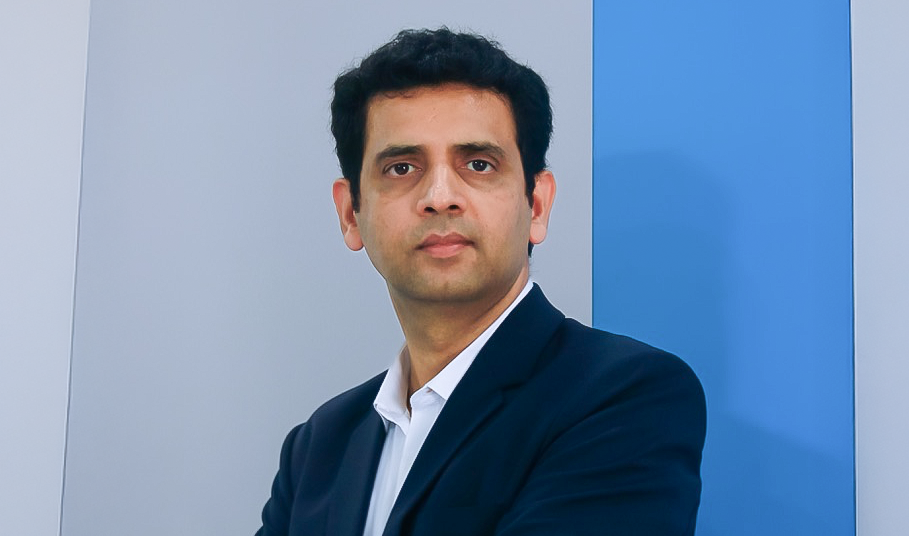
Dr Yashawant Kumar, Founder & CEO, Benefic Nutrition
In India’s fast-evolving nutraceutical and functional nutrition landscape, innovation is no longer limited to formulations alone—it must also address taste, convenience, affordability, and long-term consumer adherence. Benefic Nutrition, under the leadership of Dr Yashawant Kumar, has emerged as a disruptor by reimagining how preventive nutrition fits into everyday life. From chocolate-format diabetic supplements and makhana-based protein bars to clean-label sugar replacement solutions for B2B customers, the company is blending science with indulgence to improve compliance and scale impact. In this interview with NUFFOODS Spectrum, Dr Kumar shares Benefic Nutrition’s innovation philosophy, B2B growth strategy, supply chain approach, and vision for India’s functional nutrition ecosystem. Edited excerpts;
Benefic Nutrition has introduced several firsts in India’s nutrition market. How do you differentiate your innovation strategy from other players in the nutraceutical space?
Most Indians struggle with wellness routines not because they don’t care about health, but because supplements are often unpleasant, inconvenient, or unaffordable. Nearly 60 per cent of Indians don’t even know they need supplements. Among those who do, close to 90 per cent fail to complete their course due to poor taste, inconvenience, or the absence of visible results.
We started with a fundamental question: What if wellness tasted so good that you never forgot to take it? Our belief is simple yet powerful—if a product isn’t enjoyable enough to crave, it won’t be consumed long enough to deliver results. That insight shaped our entire innovation strategy.
Using proprietary flavour-masking technologies and rapid-absorption formulations, we developed first-of-their-kind functional chocolates, energy bars, drinks, poplets, and even sugar replacement natural sweeteners. These products are science-backed, clinically effective, clean-label, and indulgent at the same time. Importantly, they are designed to fit seamlessly into daily routines and are priced accessibly for India’s upper-middle and middle-class consumers, who form the bulk of the population. Our goal is to make health effortless, not aspirational.
With your recent partnership with a hospital chain for India’s first chocolate-format diabetic supplement, how do you see hospital and clinical tie-ups shaping your B2B business?
Hospital and institutional partnerships are central to our B2B growth strategy. They position our diabetic supplements not just as products, but as preventive healthcare solutions that improve patient quality of life.
For a diabetic patient, even simple pleasures like chocolate are often off-limits, which significantly impacts emotional well-being. Our chocolate-format diabetic supplement directly addresses this gap. It combines enjoyment with therapeutic efficacy, incorporating 13 clinically recognised herbs known to help manage post-meal blood sugar levels.
These hospital partnerships go beyond distribution. They are strategic collaborations that allow us to co-create patient-centric solutions and validate innovation within clinical environments. This places Benefic Nutrition at the forefront of preventive and lifestyle-based healthcare in India.
What has been the response from healthcare professionals, and how does this format support patient compliance?
The response from healthcare professionals has been overwhelmingly positive. Clinicians recognise that long-term adherence is one of the biggest challenges in chronic care, particularly for conditions like diabetes.
Our chocolate-based format is viewed as novel, patient-friendly, and effective. It significantly reduces “treatment fatigue,” which is common with pills, powders, or complex supplement routines. Patients no longer have to mix powders or swallow tablets—it fits naturally into their daily lives. This ease of consumption plays a critical role in encouraging sustained usage, which ultimately drives better health outcomes.
Your Sweet Family Monk Fruit + Erythritol blend targets the sugar replacement market. How are you positioning it for B2B buyers and HoReCa?
Sweet Family was developed to address a clear gap in the bulk sweetener category. We are not positioning it as just another alternative, but as a superior, premium, all-in-one solution for modern food formulations. Our positioning revolves around the idea of “Clean-label, no-compromise sweetness.”
The product delivers three key advantages. First, better taste—it offers clean, sugar-like sweetness without the bitterness commonly associated with stevia or artificial sweeteners. Second, clean-label appeal, with simple, recognisable ingredients like monk fruit and erythritol. Third, functional versatility—it is heat-stable, soluble, and works as a 1:1 sugar replacement, allowing manufacturers to reformulate with minimal R&D investment.
For bulk buyers, food manufacturers, and HoReCa players, Sweet Family enables sugar reduction without compromising flavour or mouthfeel—an increasingly critical need as sugar taxes and front-of-pack labelling regulations loom.
What advantages does Sweet Family offer across bakery, confectionery, and beverages?
Sweet Family is a scientifically validated and clinically endorsed natural sugar replacer with zero calories and a low glycaemic index. It is entirely plant-based, free from artificial additives, and suitable for diabetics and health-conscious consumers.
Its biggest advantage is taste parity with sugar—without bitterness or metallic notes—making it ideal for bakery, beverages, confectionery, and desserts. From cakes and cookies to teas, coffees, and ready-to-drink beverages, it integrates seamlessly across applications while enabling brands to meet growing demand for better-for-you products.
You recently launched India’s first makhana-based protein bar. What potential do you see for makhana protein?
Our makhana-based protein bar—“Desh ka Protein, Desh ke Liye!”—contains 10 grams of protein and 10 grams of fibre, making it India’s highest-fibre plant protein bar. Makhana holds immense potential due to its nutritional profile, digestibility, and cultural relevance.
In institutional nutrition, makhana protein can support school and college meal programmes, hospitals, and government nutrition schemes, especially for populations requiring easily digestible, hypoallergenic protein. Its indigenous origin aligns well with policies supporting local crops and farmer livelihoods.
In corporate wellness, the potential is even higher. The product fits perfectly into employee health initiatives and aligns with ESG goals, sustainability narratives, and the Atmanirbhar Bharat vision. With premium packaging and “Made in India” storytelling, it can compete strongly with imported protein bars.
How will you scale distribution through gyms and fitness platforms?
We plan to partner selectively with gyms, fitness chains, and health platforms that align with our brand values. Pilot programmes, co-branded campaigns, sampling, and educational initiatives will help demonstrate value.
Joint marketing across social media, in-gym activations, and wellness events will drive awareness. Dedicated partnership managers will oversee long-term collaborations, while logistics and inventory systems will be optimised for scale. We also see strong potential in digital health platforms through content partnerships, webinars, and personalised nutrition integrations.
What role do exports play in your makhana roadmap?
Exports are critical to positioning makhana as a global plant-based protein. With rising global demand for clean, plant-based nutrition, makhana can be positioned as a premium Indian superfood. High-quality standards, organic certifications, and international distributor partnerships will support this ambition and fuel sustainable growth.
How are you managing supply chain challenges while keeping costs competitive?
We manage supply chain risks through diversified sourcing, long-term supplier contracts, stringent quality checks, demand forecasting, and selective vertical integration. Regional sourcing and direct grower partnerships help improve reliability and reduce costs, while transparency and traceability ensure consistent quality for B2B partners.
Do you see opportunities for co-creation with FMCG, QSR, and startups?
Absolutely. There is strong potential to co-create functional foods, low-sugar menu items, and personalised nutrition solutions with FMCG companies, QSRs, and health startups. These collaborations help expand reach, build credibility, and accelerate consumer adoption of healthier options.
What support do you expect from regulators and policymakers?
Clear regulations, faster ingredient approvals, standardised certifications, R&D grants, public awareness campaigns, and export support are essential to accelerate growth in India’s functional nutrition sector. A supportive ecosystem will help drive innovation, trust, and global competitiveness.
Looking ahead, what will drive Benefic Nutrition’s next phase of B2B growth?
Our next phase will be driven by expansion into plant-based proteins, functional beverages, and customised nutrition solutions for sports, healthcare, and corporate wellness. Strategic partnerships with technology providers, ingredient innovators, healthcare institutions, and large food manufacturers will be key to unlocking new growth opportunities and strengthening our B2B value proposition.
Mansi Jamsudkar Padvekar